 Image via WikipediaGeothermal energy is energy obtained by tapping heat from the earth itself. This comes from magma and the radioactive decay of uranium, thorium, and potassium.
 The downside to geothermal energy is the fact that it can be expensive to harness. On the other hand, because the earth's crust continuously decays replenishing the heat, it is still a renewable source of energy.
There are three types of geothermal plants. These are namely dry steam, flash, and binary.
Dry steam plants take steam out of fractures in the ground and use it to directly drive a turbine that spins a generator.
Flash plants take on water at temperatures over 200 °C out of the ground, and allow it to boil as it rises to the surface, then separate the steam phase in steam/water separators which runs the steam through a turbine to generate electricity.
Last, you have binary plants. Here, hot water flows through heat exchangers and that boiling organic fluid is what spins the turbine.
Once power is generated, the condensed steam and remaining geothermal fluid from all three types of plants are injected back into the hot rock to pick up more heat.
Geothermal plants are operational in several different parts of the globe. These are usually located in geologically unstable parts of the planet. You can see some in Chile, Iceland, New Zealand, United States, the Philippines and Italy. At home, two most prominent areas for this are in the Yellowstone basin and in northern California.
Aside from digging deep into the earth, there are some who believe we can generate power from hot dry rocks. You have to dig 3 kilometers deep first to find these hot underground radiogenic granite rocks. Right now, some Australia companies are exploring this technology.
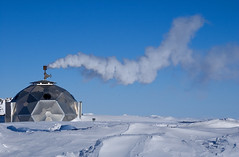 Image by lydurs via FlickrIf you were to compare the amount of energy collected from geothermal to solar, you still get more from the sun. Despite that, many people may still find a use for geothermal energy at times, since solar energy cannot be harnessed when the clouds block the sun’s rays from reaching the solar panels.
 Geothermal energy is a green energy source just like wind, hydropower and biofuel because it is renewable. By maximizing its potential, we don’t have to worry as much about the price of oil spiking in the world market.
But that is not the only thing we should be concerned about. We should also do our best to protect the environment, given that coal fired and nuclear power plants produce harmful gases and radioactive waste that may cause harm to people and the surrounding areas.
Everyone knows that our planet has changed due to global warming. For us to do our share to protect the environment now and for generations to come, we have to learn to use alternative energy sources, and geothermal is another of the many green energy sources currently available.


