Tuesday, February 18, 2014

Linoleum: A Surprisingly Natural Flooring Option

Did you grow up in a house with a linoleum kitchen floor? Many of us did, but did you know that linoleum is considered a "green" flooring option? Many people use "linoleum" as a generic term for all flooring that is not wood, carpet, or tile. But true linoleum should not be confused with vinyl flooring, which is often called linoleum. Vinyl flooring is made from petroleum products and synthetic materials. True linoleum is made from the following natural ingredients.

- Linseed oil
Pressed from flax seeds, linseed oil does not outgas toxic vapors or involve environmentally questionable practices to manufacture. It is abundant and renewable.

- Resin
linoleum
linoleum (Photo credit: farmalldanzil)
Also known as rosin, this sticky substance is tapped from pine trees. Like tapping maple trees for their sap, when pines are tapped for their resin it does not affect the life or health of the tree. Resin gives linoleum its flexibility.

- Wood flour
This is simply finely-ground wood, and is used to bind the pigments in the linoleum. It makes the color last longer and resist fading. Conscientious linoleum manufacturers do not use tropical or endangered woods to make wood flour; they use plentiful, renewable sources.

- Cork flour or powder
Cork flour, or powdered cork, improves durability, flexibility, and color-fastness. It is made from the bark of the cork oak, but is harvested so as not to harm the tree.

- Limestone
Ground to a fine dust, limestone is added to linoleum to increase hardness and durability. Limestone is abundant and economical, and is found in many parts of the world. 

- Jute
Jute is used as a flexible, durable backing to linoleum. A giant, tropical herb, jute has a rapid growth cycle, and can be grown (and re-grown) within weeks. The jute for flooring and linoleum comes from the inner bark of the plant.

-Pigments
Linoleum's various colors come from mineral pigments and penetrate the entire product, making damage less visible.

Linoleum is durable, but it will need replacing after thirty years or so. The good news is, it's recyclable! Linoleum can even be painted as long as it is first coated with a primer.

While it can be more expensive than vinyl flooring, linoleum is worth the extra cost. Because it lasts so long, it is a good economical investment, and its natural ingredients make it a good environmental investment as well. You are also investing in your health and the air quality of your home when you choose a natural flooring option like real linoleum.


Enhanced by Zemanta

Thursday, February 13, 2014

How to Get Rid Of Mold Naturally

Mold is a nasty household problem. Not only is it unsightly, but mold can aggravate allergies and cause respiratory distress and structural damage. Yet some of the chemical-based cleaners on the market for getting rid of mold can also cause an allergic response and other respiratory problems.

Here are some natural, healthier alternatives for fighting mold in your home.

- Grapefruit seed extract
Grapefruit seed extract, or GSE, is an effective anti-fungal product and it's odorless. Most health food stores carry GSE - just be sure to get the liquid kind that comes in a dropper bottle (not tablets). Mix 20 drops with 2 cups of water to make an anti-fungal spray, and do not rinse after spraying.

Tea Tree Oil
Tea Tree Oil (Photo credit: Wikipedia)
- Tea tree oil
Also an anti-fungal, tea tree oil can be added to water in a ratio of one teaspoon per cup of water, then put in a spray bottle. It does have a pungent odor, but it goes away after about a day. Don't rinse.

- Vinegar
Used straight from a spray bottle, vinegar is especially effective against mildew. Yes, it is rather smelly, but the smell goes away in a day or so. Don't rinse this treatment, either. You can also use vinegar in the washing machine - wash moldy shower curtains and add a bottle of vinegar to the machine. Floors can be mopped with a vinegar and water solution to keep mold at bay.

- Store-bought natural cleaners
Some stores carry natural mold fighters, such as Ecover and Naturally Clean brands. These are generally quite effective but can be expensive.

Here are some things you can do to keep mold from returning.

- Dehumidifiers
Consider investing in a dehumidifier. While it does use electricity, the water collected in its tank can be used to water plants or flushing toilets. Many dehumidifiers have a connection to which you can attach a hose, and the hose can be directed into your garden, providing a continual drip of moisture to the outdoors, where it belongs!

-Ventilation
Run your bathroom's exhaust fan during and after your shower. If you don't have a fan, open a window. Air conditioning (or heating) your home also dries the air.

- Keep things dry
Watch the drips from your shower curtain and kitchen sink. Wipe up even small amounts of spilled water and make sure there are no leaks where moisture can get into your home. Keep your home's gutters clean and make sure water from downspouts is directed away from the foundation.

Thankfully, there are plenty of ways to get rid of household mold without resorting to toxic cleaners.

Enhanced by Zemanta

Tuesday, February 11, 2014

How To Have A Clean & Healthy Home With Feng Shui

Feng Shui is a means by which people can feel more peaceful, healthy, and content in their personal space. If you would like to bring Feng Shui into your home for a cleaner, healthier and happier place to live, here are some tips on how to get started.

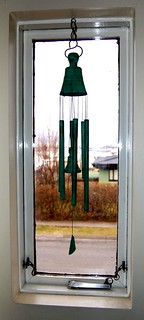
Feng shui wind chime
Feng shui wind chime (Photo credit: UnnarYmir)
1. Clean Up & Simplify - Part of Feng Shui is being surrounded by things you love, but only the things you love most. Everything else needs to go. Donate whatever you can instead of throwing it away. A good rule of thumb for getting rid of things is to ask yourself if you have done anything with a particular object in a year. If you haven't touched it in a year, you probably won't miss it when you give it away. Simplicity brings peace and lessens stress, which can be toxic to your health.

2. Let In the Light - Feng Shui is about energy, and opening things up to a good flow of energy. Light is an important component of this. Emphasize natural lighting wherever you can, and use energy-efficient bulbs that have a daylight type of spectrum. In the evening, soft lighting is recommended. Light candles and use low-wattage bulbs in lamps.

3. Bring In Fresh Air - In addition to natural light, natural, fresh air is also helpful is bringing good energy flow and healthy air into your home. Whenever weather permits, let outside air in. Consider a quiet air purifier and toxin-absorbing houseplants to make your indoor air even cleaner.

You can also purify the air by using natural essential oils. In Feng Shui, essential oil of rose, lavender or jasmine is recommended for the bedroom; peppermint or lemon for rooms where you want to be awake and energized. Don't use oils or air fresheners with synthetic fragrances, as these can be bad for your health.

4. Include Water - Having a water feature in the home is an important aspect of Feng Shui. Water in the home's entryway is especially beneficial. A wall or tabletop fountain can fill this need. The water should be running; just a bowl of water won't do.

Feng Shui Designs 006
Feng Shui Designs (Photo credit: IDEAleemade)
5. Arrange Attractive Objects - Of course you still have objects in your home. Arrange these in a decorative, organized manner so that it is pleasing to the eye. On your desk, place a small plant or desktop fountain. The color red is recommended for the desktop work space, as it is associated with wealth. In your home, make sure the entryway is clear of clutter and especially shoes. Consider placing small objects in decorative boxes that can be neatly stacked.

6. Consider the Wall Colors - Soft pink is considered ideal for the bedroom. Soft shades of purple are also good for promoting relaxation. Use red in rooms where a lot of activity occurs and you want an energized atmosphere. (Red is not recommended for a wall color, however, or use only as an accent color.) Yellow is good for intellectual stimulation and promoting happiness.

By following these tips, you'll find your home is a healthy and peaceful place where you love to be!

Remember to also make sure to remove toxic elements from your home first! If you're sick, you won't be able to appreciate the peace and beauty you've created.

Click here for a FREE checklist to help you cleanse and detoxify your home...


Enhanced by Zemanta

Thursday, February 6, 2014

Video: 20-Minute Detox Yoga Routine

As we discussed on Tuesday, exercise is imperative in your detoxification efforts. Exercise should be done daily as well - not just during a cleanse! This will keep your body healthy, strong, and rid it of toxins on a regular basis. Yoga is a great way to detoxify your body - it detoxifies your lungs, your muscles, relieves stress, calms digestion, and even removes toxins through your skin if you do it hard enough to sweat!

This 20-minute yoga workout is designed to encourage detoxification and improve digestion, as you flow through a relaxing series of poses that will stretch, strengthen, and relax your entire body.

(Note: Remember to consult your healthcare provider or personal trainer before beginning any new workout routine, especially if you are at a low fitness level.)

Detox Yoga | 20 Minute Yoga Flow for Detox and Digestion
Join Adriene for this sweaty cleansing Yoga For Detox practice! This detox yoga sequence is designed to make you sweat as you build strength and twist it out...


 For lots more fun yoga workouts and more, visit our Fun Ways to Exercise page!


Enhanced by Zemanta

Tuesday, February 4, 2014

7 Exercises to Detoxify Your Body

A thorough detoxification program must include exercise.  Exercise that causes you to sweat aids detoxification as sweat helps remove poisons from your body.  Exercise also promotes healthy circulation and overall fitness.  No matter what method you are using for bodily cleansing, exercise can augment it.

Here are some good exercises for cleansing and detoxification:

1. Walking

Walking in Shilda
(Photo credit: Wikipedia)
This is a basic, gentle form of exercise that is good for those doing a cleanse for the first time, or just undergoing an overall change toward a healthier diet.  Walking works most of the major muscle groups, and increases heart rate and circulation. It also increases your breathing, leading to increased detoxification through the lungs. Plus it's an easy and fun exercise to do with friends - so you can socialize while getting healthy together!

2. Stretching

Stretching is very good for muscle health.  It helps prevent the accumulation of lactic acid in the muscles.  Do you know that sore feeling your muscles can get the day after a workout?  That is from lactic acid accumulation.  Stretching, simply put, gently opens up the muscle fibers and allows toxins to move out.

3. Yoga and Pilates

More than just stretching, yoga involves specific stretches and exercises that promote relaxation and balance.  Pilates consists of many movements that help relax and rejuvenate muscles while toning as well.  Yoga and Pilates can both help reduce stress, which is important in body cleansing, because constant stress can cause toxins to accumulate in the body.

4. Martial Arts

Like yoga, martial arts include the movement of body energy as part of the exercise program.  From slow, smooth, stretching types of martial arts like tai chi to more active arts like taekwondo, martial arts include meditation, discipline, balance, and technique with the benefits of exercise.

5. Swimming

Swimming is easy on the joints, and is a wonderful way to get a full-body workout without jarring joints or feet.  See if you can swim in fresh water, or in a pool that uses ozone rather than chlorine to clean the water, so that your body is exposed to less harmful chemicals. Remember that your skin is porous, and can absorb toxins easily, so swimming in chlorinated water can actually cause more harm than good.

English: Biking
English: Biking (Photo credit: Wikipedia)
6. Bicycling

Going for a bike ride exercises more than just the legs; the core muscles in the trunk also benefit from strengthening.  If you are outdoors (rather than on a stationary bike), breathing fresh air helps cleanse the body and relieve stress.  Like swimming, bicycling is easier on the joints than walking or jogging. And it can be done with friends or family as well.

7. Bouncing on a trampoline   

Who would think something so fun could aid cleansing and build healthy body tissues?  The secret is in the force - when you come down onto the trampoline, the gravitational force that your body experiences increases.  The higher you bounce, the more force when you come down.  The body responds to this increased gravitational force by building stronger tissues and cells.  All organs and muscles can benefit from being strengthened.

To conclude, exercise is an important part of cleansing your body of impurities.  These are just a few different ideas of exercises that can be used to help with detoxification. For more fun and beneficial ways to exercise, plus free weekly workouts, visit our exercise blog at: http://nhlnewfunwaystoexercise.blogspot.com/
Enhanced by Zemanta

Thursday, January 30, 2014

Relieve Stress & Achieve Peace & Health With Zen Meditation

On Tuesday we talked about getting rid of negative thoughts, and how this can improve both your mental and physical health. But one other way that you can achieve this is to practice regular meditation (or prayer, if you prefer). There are many different approaches to meditation. Meditation itself is the practice of awareness. For some that means prayer. For others it means gaining a deeper understanding. It can be a deeper understanding of themselves, the world, or their God. You can practice whatever type of meditation you prefer, but of all the various types of meditation, Zen meditation may be the most popular. It is certainly one of the oldest. It dates all the way back to the seventh century!

The Philosophy

Zen Meditation is primarily designed to help a person gain insight and enlightenment. It is typically not a prayer session, but rather the intent is to seek enlightenment. The goal of each meditation is to come out of it with a deeper understanding - of yourself, the current challenges you’re facing, and the world as a whole.

Zen meditation is based on Buddhist philosophies which seek enlightenment through daily practice, thought, and action.

The Practice

See: www.falundafa.org/eng/exercises.html
(Photo credit: Wikipedia)
Zen meditation is a bit structured. Generally you sit on a small pillow on the floor. The pillow is called a zafu. You can also purchase or use a mat underneath your pillow. The mat is called a zabuton.

Zen meditation is practiced while sitting. There are a few acceptable poses you can take. They include:

- Legs crossed – both ankles are under your knees. This is generally the most comfortable position. As with all sitting positions it is important to keep your spine straight. This position is also called Burmese.

- Lotus – in this position the legs are crossed however your ankles and feet are on top of your legs or knees rather than under them. This can be a bit uncomfortable if you’re not used to it. You might start with a half lotus. This position is also called Kekkafuza.

- Half lotus – in this position you’re sitting cross legged. However, one foot is on top of the opposite knee. The other foot is under the opposite knee. This is also called Hankafuza.

- Kneeling – in this position your legs are tucked under you. You’re sitting back on your ankles, feet and calves. This position may be uncomfortable if you have knee strain. This position is also called Seiza.

- Chair – finally, you may sit upright in a chair with your feet planted firmly on the floor and your back straight.

Once you’re seated your hands are generally rest on your lap. They’re open and relaxed. One on top of the other and both open and facing up. Close your eyes and take five to seven deep cleansing breaths. The point of these two steps is to prepare your mind and body for meditation.

Focus On the Breath

The next step in Zen meditation is to focus on your breath. While it sounds simple, it can be tricky. You’ll find your breath begins to change simply because you’re thinking about it. It can begin to feel unnatural. The goal is to become aware of your breath. To simply notice how it fills your nose, fills your body and how it makes you feel. If your breath changes, simply be aware of that. You don’t need to control the breath. Relax into it.

Zen meditation asks then that you count your breaths. This helps you to be aware and focused on it. As you begin focusing on your breath thoughts will come into your mind. The goal is to eventually not have thoughts pop in and out. However, it is natural for them to do so. Don’t judge yourself. Simply allow the thought to pass out of your mind and refocus on your breath.

Initially, it’s recommended that you only try to mediate for five minutes. Once this time period feels natural and comfortable you can begin to extend it. The Zen meditation experience is different for everyone. The peace and clarity you find during mediation will allow awareness and insight to come to you.

Enhanced by Zemanta

Tuesday, January 28, 2014

How Killing ANTs Can Improve Your Health

We talk a lot about physical health and detoxification here, but what about toxic thoughts, and their effect on your health? Your thoughts have tremendous power. They can inspire fear and prevent you from taking action. They can ruin your day. They can harm relationships. Thoughts can make you self destructive, or even cause you to harm others. But they can also help you achieve your goals, make new friends and enjoy a rewarding, fun, and healthy life. In fact, more and more studies are finding that your thoughts also strongly influence your physical health! Yes, your thoughts have this much power – if you give it to them.

English: A girl lost in her thoughts!
 (Photo credit: Wikipedia)
Unfortunately it seems to be human nature that some of the most pervasive types of thoughts are ANTs. This is a lovely acronym for "Automatic Negative Thoughts." They’re those negative thoughts that seem to pop up and ruin a perfectly good day. Here are some examples of ANTs.

1. You turn in a project. The feedback is 99% positive. However, instead of focusing on the positive comments you dwell on the one negative comment.

2. Your friend/spouse/co-worker is in a bad mood. You take it personally and feel as if you must have done something to cause that bad mood.

3. You leave the house and wonder if you remembered to lock the back door. All day long you can’t help but feel like when you get home all of your belongings will have been stolen and your home destroyed.

4. Your pants feel tight when you get dressed in the morning. You thus think thoughts like, “I’m so fat,” or “I’ll never lose weight, I’m a failure.”

These are all examples of ANTs. You didn’t intentionally invite them into your mind and yet there they are. They’re also examples of types of ANTs: personalizing, catastrophe, emotional reasoning and so on.

So how do you stop these unwanted and unhelpful thoughts?

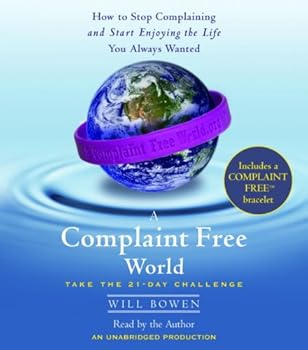
Cover of "A Complaint Free World: How to ...
Cover via Amazon
#1. The first step is to recognize them. Becoming aware of your thoughts is tricky. Practice and patience are required. Consider setting your watch alarm to notify you every hour or two throughout your day. When the alarm beeps, stop and pay attention to your thoughts. Practice this for a day or two. Learn to become aware of your thoughts. (This is the same basic technique taught by Will Bowen in A Complaint Free World - an excellent book to read if you have problems with ANTs!)

#2. With awareness comes power. Once you learn to become aware of your thoughts you can then change them. There are many ways to accomplish this, such as:
  • Replace a negative thought with a positive one or an affirmation.
For example, you think you’ve left the back door open and your stuff is going to be stolen. Replace that thought with, “I take good care of my home. I trust that I remembered to lock the door. Everything will be just fine.”
  • Analyze the reason why you’re having a negative thought. Ask yourself if the thought is true. If so, why do you believe it to be true?
  • Accept the thought and let it go. Accept that negative thoughts come into our mind. Take mental note of the thought and then let it go. You might create a visualization to let go of the ANT. An easy visualization is to imagine the thought actually is an ant and stomp on it. Then you can walk away and leave the ant behind. A more peaceful visualization, if you’re opposed to killing bugs, might be to place the negative thought in a balloon. Imagine releasing the balloon up into the sky.
Above all else, don’t judge yourself for having negative thoughts. Simply learn to become aware of them, realize their falsehood and let them go. You will find a more peaceful, happy state of mind, and with a less toxic mind comes a less toxic, healthier body as well!

Enhanced by Zemanta