Showing posts with label Energy. Show all posts

Wednesday, July 15, 2015

Using Passive Solar Windows for Home Heating & Cooling

Installing passive solar windows is a one-time investment that can help you save energy over a long period of time. During summer, it can help keep the heat out and the cool air in. During winter, it can help keep the heat in and maximize the heating rays of the sun.

However, the effects of different climates means that people need to position and install their windows differently to take advantage of solar windows' various properties.

English: Novel construction of Education Cente...
Shaded windows keep the heat out in warmer climates. (Photo credit: Wikipedia)
1. Passive Solar Windows for Hot and Sunny Climates

In hot and sunny climates, glazed windows should be installed towards the south of the house.

This allows the windows to collect heat when the sun is low in the sky during the day. That means the house won't overheat by allowing the sun's rays into the house during peak hours.

You can also use a number of shielding devices such as awnings or overhangs to prevent overheating during summer.

Other windows in the house can still be installed, but they should have a shade or glaze installed so they let less light into the house. Having north facing windows in a hot and sunny climate can also lead to overheating.

2. Passive Solar Windows for Cool Climates

Passive solar design using an unvented trombe ...
Passive solar design using an unvented trombe wall and summer shading (Photo credit: Wikipedia)
There are two main strategies for heating up a home with passive solar windows in cold climates: trombe walls and using a greenhouse methodology.

A trombe wall is a big wall, usually painted black, which allows you to absorb heat into the house without heat leaking out.

The main concern with using a big window is that while the sun's rays can come into the home and heat up the air, the glass conducts heat so well that it can all escape back through the glass.

The trombe wall solves this issue by trapping the heated air between the glass and the trombe wall, then circulating it into the house before the heat has a chance to escape through the glass.

The greenhouse approach uses similar technology to a greenhouse to keep heated air in the house. You use a large number of windows to let the sun's rays into your house, then you use a controlled timer to circulate the air within your house in a way that optimizes the heat and reduces the amount of heat that escapes through the same glass windows that let the heat in.

 Are Passive Solar Windows for You?

Passive solar windows can work for both hot and cold climates, whether there's a lot of sun or just a little bit of sun.

To determine whether or not your home qualifies for passive solar windows, talk to an environmental contractor in your area. Make sure you get several different opinions to get a definitive sense of whether or not it's worth the investment, as they can be pricey - but they can also save you a lot - especially on heating bills - in the long run.


Thursday, June 12, 2014

Solar Box Cookers: Using the Sun To Cook Your Food

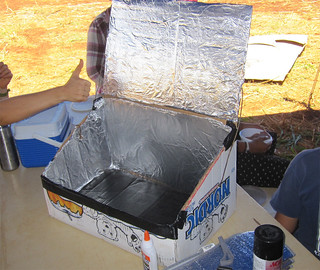
Solar box cookers are the be-all and end-all when it comes to harnessing the sun to cook food.  They run solely on the sun's rays which makes them the ideal cooking solution for many areas where electricity and fuel aren’t options.  They’re also wonderful for outdoor cooking because they pose little risk of forest fire and are much lighter than hauling fuel around in your backpack.

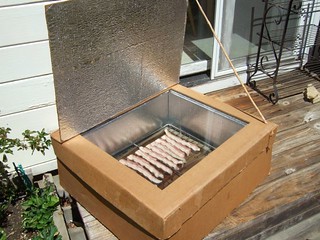
Solar Bacon
Solar Bacon (Photo credit: Earthworm)
How Solar Cookers Work

There are actually more than fifty different variations on the solar cooker theme.  However, they typically fall into three basic designs or design principles.  These include:

* Concentrating sunlight.  In this type of device the sunlight is concentrated or focused by some type of reflective metal or a mirror.  The heat and energy from the sun then becomes concentrated and much more intense. 

* Converting light to heat.  In this type of design the solar cooker makes use of heat-absorbing elements, like the color black, to amplify the cooking process.  One example would be to coat the inside of the cooker with black paint or to use a black material to collect the sunlight and convert it into heat.  If you’ve ever worn a black shirt on a sunny day, you know how effective this is. 

* Finally, a third type of design traps heat by using a clear device, like a lid, to keep the heat inside and thus to use it to maximize cooking.

Of course, some designs take advantage more than one of these solar cooking elements to really maximize the sun’s effects.  A solar box cooker is one of the most basic types of solar cookers and can be made at home with few resources or technical skills.

Ingredients for a Solar Box Cooker

If you’re going to make a solar box cooker at home (and why not!) then you’ll need to collect a few things.  They include:

Box cooker in the works
Box cooker in the works (Photo credit: EBKauai)
* Two cardboard boxes.  One box should be larger than the other and ideally the bigger the better because it’s awfully difficult to make much in a children’s shoe box.  There should also be about ½ inch of space between the two boxes all the way around.

* One sheet of cardboard for the lid.  You’ll want it to be several inches larger than the top of your largest box.  So for example if your box is 10X10 you’d want your cardboard to be around 13x13.

* A roll of aluminum foil.

* Flat-black, non-toxic, spray paint or tempera paint. 

* White glue, non-toxic.

* A Reynolds oven cooking bag or a sheet of glass.  The oven bags are ideal because they’re inexpensive, durable, and easy to find.  They’re also designed to withstand up to 400 degrees Fahrenheit. 

That’s it; that’s your supply list.  For more information on building a solar box cooker, see related articles below. Solar box cooking can be a fun way for your children to learn the amazing powers of the sun and to learn a bit about solar energy.  You can also take advantage of this wonderful device and cook outdoors when the weather permits.  You’ll save energy and have fun in the process!

Related Articles on Solar Box Cookers:
Enhanced by Zemanta

Tuesday, May 6, 2014

Implementing Sustainable Business Practices

There's so much to think about when running a business. Switching over to green business practices might not seem like top priority, but you might want to consider it.

More and more people are taking an interest in things that are green. That also means they are choosing companies which follow sustainable business practices. Also, there are so many ways to save money when you are being more green. So if you're considering switching over to green business practices, here are some tips for how and why you should make the switch.

Prevent Air Pollution

Look for this logo when considering your new r...
Look for this logo when considering business appliances & materials. (Photo credit: Wikipedia)
By installing Energy Star qualified products you can help reduce the air pollution your company produces. By making your company more energy efficient, you will save money on energy bills while helping the environment. Energy efficient products use less energy and therefore emit less pollution into the air by using less fossil fuels. 

Switch to Renewable Energy

Using fossil fuels is costly and bad for the environment. Look for ways to add solar panels, geothermal technology, wind, hydro energy, and biomass. There are incentives for using renewable energy sources through the government which can help “buy down” the cost of these kinds of upgrades.

If you're a small business who cannot afford to buy all of these environment-friendly products, then contact your energy companies. You can purchase green energy at a slightly higher cost. Don't forget, people might just buy your product just because you have taken more steps to be more green, so the added cost can potentially lead to more sales.

Reduce the Use of Paper

Giving electronic receipts over paper receipts for things will help use less paper and fewer trees. The energy used to produce paper is significant as well. So the less paper you use, the less energy is being drawn to produce said paper. Not to mention the energy used to harvest trees and transport them, and then ship the paper to you.

Aside from offering electronic receipts, you can also do double-sided printing. Use paper that has high recycled content. Recycle your paper as much as possible.

English: Graph originally published in 3rd Int...
Graph originally published in 3rd International Congress on Energy Efficiency and Renewable Energy Sources Proceedings, 2007 paper: DETERMINING ENERGY SAVINGS USING UTILITY BILLS. (Photo credit: Wikipedia)
Reduce Waste

This can save you huge amounts of money by having smaller removal costs, as well as cost savings on raw materials, and it can make you more efficient, productive, and will improve your public image. To accomplish this, simply produce less waste. You can do this by:

* Exchanging, selling, or giving away unneeded goods
* Redesigning products to use less material
* Redesigning packaging
* Designing a packaging return program with your customers
* Reusing shipping/packing materials
* Developing a product take-back program
* Eliminating, reusing, or recycling cardboard
* Repairing broken furniture to extend its life instead of tossing and buying new
* Buying products made from recycled material
* Using and maintaining durable equipment and supplies
* Purchasing environmentally preferable products
* Not using catalogs or sending junk mail
* Finding ways to reuse products you no longer need or passing them along to someone else
* Recycling. Whenever possible recycle.
* Conserving water. Getting water to your building uses energy unless you have a well system. So to save here, make sure you repair broken pipes, use water efficient appliances, have controls that turn faucets off automatically, water efficient landscaping, install an energy efficient water heater, and insulate pipes. 

Doing these things will save you and your business money in the long run, and in general will be good for business. As more and more people become interested in energy conservation, they will also seek out companies which have the same values.


Enhanced by Zemanta

Tuesday, February 11, 2014

How To Have A Clean & Healthy Home With Feng Shui

Feng Shui is a means by which people can feel more peaceful, healthy, and content in their personal space. If you would like to bring Feng Shui into your home for a cleaner, healthier and happier place to live, here are some tips on how to get started.

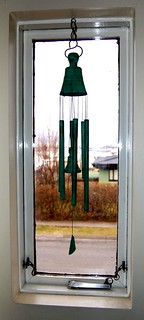
Feng shui wind chime
Feng shui wind chime (Photo credit: UnnarYmir)
1. Clean Up & Simplify - Part of Feng Shui is being surrounded by things you love, but only the things you love most. Everything else needs to go. Donate whatever you can instead of throwing it away. A good rule of thumb for getting rid of things is to ask yourself if you have done anything with a particular object in a year. If you haven't touched it in a year, you probably won't miss it when you give it away. Simplicity brings peace and lessens stress, which can be toxic to your health.

2. Let In the Light - Feng Shui is about energy, and opening things up to a good flow of energy. Light is an important component of this. Emphasize natural lighting wherever you can, and use energy-efficient bulbs that have a daylight type of spectrum. In the evening, soft lighting is recommended. Light candles and use low-wattage bulbs in lamps.

3. Bring In Fresh Air - In addition to natural light, natural, fresh air is also helpful is bringing good energy flow and healthy air into your home. Whenever weather permits, let outside air in. Consider a quiet air purifier and toxin-absorbing houseplants to make your indoor air even cleaner.

You can also purify the air by using natural essential oils. In Feng Shui, essential oil of rose, lavender or jasmine is recommended for the bedroom; peppermint or lemon for rooms where you want to be awake and energized. Don't use oils or air fresheners with synthetic fragrances, as these can be bad for your health.

4. Include Water - Having a water feature in the home is an important aspect of Feng Shui. Water in the home's entryway is especially beneficial. A wall or tabletop fountain can fill this need. The water should be running; just a bowl of water won't do.

Feng Shui Designs 006
Feng Shui Designs (Photo credit: IDEAleemade)
5. Arrange Attractive Objects - Of course you still have objects in your home. Arrange these in a decorative, organized manner so that it is pleasing to the eye. On your desk, place a small plant or desktop fountain. The color red is recommended for the desktop work space, as it is associated with wealth. In your home, make sure the entryway is clear of clutter and especially shoes. Consider placing small objects in decorative boxes that can be neatly stacked.

6. Consider the Wall Colors - Soft pink is considered ideal for the bedroom. Soft shades of purple are also good for promoting relaxation. Use red in rooms where a lot of activity occurs and you want an energized atmosphere. (Red is not recommended for a wall color, however, or use only as an accent color.) Yellow is good for intellectual stimulation and promoting happiness.

By following these tips, you'll find your home is a healthy and peaceful place where you love to be!

Remember to also make sure to remove toxic elements from your home first! If you're sick, you won't be able to appreciate the peace and beauty you've created.

Click here for a FREE checklist to help you cleanse and detoxify your home...


Enhanced by Zemanta

Tuesday, August 13, 2013

The Connection Between pH & Energy Levels

Did you know that your blood has a pH level? pH is the measurement of how acid or alkaline something is. The pH level scale runs from 1 to 14 with 1 serving as “very acidic” 7 being “neutral” and 14 being “very alkaline”. In fact your bloodstream goes to great lengths to maintain a pH level of 7.35 to 7.45, slightly alkaline. Why is this important? One of the many reasons why your body strives for this balance starts with your energy level. The correct pH will help balance your body and increase your energy.

Figure 2 - Schematic of Maxwell model using on...
Blood cells. (Photo credit: Wikipedia)
Have you ever put low quality fuel into your car after running it on premium fuel? There is a difference in acceleration, handling, and overall performance and this is directly linked to the quality of fuel you put in the tank. Your body is a finely tuned machine. Like other types of machinery, the parts need to be kept running by fuel. The best fuel for your body is a custom mix, more alkaline than acid. What difference does this make?

It all starts in the bloodstream. Think of the bloodstream as a superhighway with stops all over the body. Red blood cells are the commuting traffic riding along the bloodstream in a hurry to get to work. These red blood cells each have a negative charge on them, and this keeps them from getting into fender benders and collisions in the bloodstream. When the negative charge is stripped away from the red blood cells, they cluster together and can cause gridlock and bottlenecks in the bloodstream. In short, the traffic in the bloodstream isn’t flowing as smoothly and it causes everything to slow down. If you’ve ever been stuck in freeway traffic you know how frustrating this is.

This stress on the body causes a domino effect, which eventually saps the energy away and makes you tired and sluggish. Acid is the culprit in the bloodstream traffic jam. When acid is introduced into the bloodstream it eats away at the negative charge that surrounds each red blood cell and causes all sorts of problems. How can you avoid this? The answer is quite simple and it starts with what you put in your stomach. Red blood cells are created by the food that you eat. When the stomach works on digesting food, it leaves behind natural acidic waste. Your body eliminates these toxins through your urine and sweat, but there comes a point when the waste build up is too great to eliminate.

What does your body do with all of the acidic waste it can’t get rid off? The answer is quite shocking - it stores it in your body! The cells in your body are mostly alkaline and this acid waste starts to attack and destroy these cells. A lot of energy is expelled keeping the waste from doing detrimental damage to your body, but this fight can only go on for so long. Eventually the build up (toxic load) is so great that the cells deteriorate and cause energy depletion and leaves the body open to disease.

How can you avoid this slow death? A higher energy level helps to fend off opportunistic diseases and ensures strong cellular regeneration. Making changes to your diet is a huge step in reversing this breakdown of your body while boosting your energy level. The choices you make in what you eat will greatly determine how much of this acidic waste gets stored in your body. The more alkaline your food choices are the less of this waste will be accumulated in your body, tipping the balance in the favor of good health.

The old adage “you are what you eat” is absolutely true. By controlling the amounts of alkaline food you ingest you are giving your body a fighting chance. Find books and lists that outline which foods are alkaline and which ones are acidic. By limiting your intake of acidic foods and increasing your intake of alkaline food you can increase your stamina, endurance, and the overall performance of your body as a whole.


Helpful Resources for Maintaining a Healthy pH:


Enhanced by Zemanta

Thursday, July 11, 2013

Five Cooking Tips to Save Energy in the Kitchen

We’re all looking for ways to save money and consume fewer resources for a greener planet. Some of the ways to save energy, like turning the thermostat up or down, seem fairly obvious and don’t feel as if we’re doing enough.  One great way to amplify your efforts is to look room by room at how you can save energy.

If you've been reading our Cooking From Scratch blog, you know how much I love to cook! So today we're going to talk about what is perhaps the most energy-hungry room in your home - the kitchen.  Here are five cooking tips to save energy in the kitchen:

Large and small skillets
Large and small skillets on different sized burners. (Photo credit: Wikipedia)
#1.  Use the right size pan for the cooking job and make sure to match it to the right sized burner.  It may sound silly but you can waste a lot of time and energy trying to boil a giant-size pot of potatoes on an itty bitty burner.  And you can waste a tremendous amount of energy warming up a small pan of sauce on a giant burner.  If you can see more than a half inch of overlap, either the pan overlapping the burner or the burner overlapping the pan, see if there’s a better fit. 

Additionally, if you only have to boil three potatoes you don’t need to get out the giant 5-quart pot.  And if you have to boil twenty potatoes, you absolutely do need a large pot with an appropriate amount of water – just enough to cover the tops so you don’t have to spend too much time and energy heating all that water.

#2.  Don’t preheat your oven.  Have you ever been pressed for time and just shoved that tray of chocolate chip cookies in an oven that hasn’t been preheated?  What happened?  Presumably you may have had to add one or two minutes to the cook time but it certainly didn’t add ten minutes or more to the cook time.  With many ovens it takes 10-15 minutes to warm up to 350 degrees, and that’s wasted energy.  Don’t waste your time and energy preheating - get those cookies in the oven and enjoy!

#3.  Use smaller appliances for smaller jobs.  If you’re making an open-faced sandwich, warming up leftovers or eating those frozen and ready-to-cook cookies, then skip the oven and use your toaster oven instead.  It uses less energy to heat up - and it also won't put off as much heat into the house so you won't have to run the a.c. as much.  Additionally, if you use a microwave, it can be used to steam, reheat and even to make eggs, melt chocolate and warm up canned foods in much less time and with much less energy.

English: A pressure cooker with a simple regul...
A pressure cooker with a simple regulator and an oval lid. (Photo credit: Wikipedia)
#4.  When you are making soups, stews and even some barbecue recipes or roasts, consider using a slow cooker instead of cooking them for hours on top of the stove.  Slow cookers use less energy and you can cook your meals during low energy times in your home. For example, if you’re using the air conditioner during the day and also cooking, you’re going to make your a/c work harder because your cooking will add heat to the home.  However, if you can cook your roast overnight when your a/c isn’t running as hard then you’re saving energy. It also won't heat up the house as much as using the stove or oven.

#5.  Grab your mother’s pressure cooker and embrace it for its amazing power to cook foods in a tenth of the time!  However, if your mother’s old pressure cooker scares the heck out of you, the newer models are significantly safer, and easier to use. 

You can save a tremendous amount of energy focusing your attentions and habits on one room at a time.  And what better place to start than in the kitchen, the core of your home and probably your biggest user of energy? 

Enhanced by Zemanta

Tuesday, July 9, 2013

10 Home Energy Saving Tips

Saving energy at home means saving money, which is something everyone can appreciate.  It also means conserving resources so we can ensure a healthier planet for all.  Here are some simple home energy savings tips you can start using today.

#1.  Use smart strips.  Every day appliances consume energy even when they’re turned off.  Microwaves, coffee makers, computers, televisions, the list goes on and on.  Rather than let this valuable energy go to waste, plug your appliances and electronic equipment into a smart strip.  A smart strip is a strip of outlets with an off/on switch. When you’re not using the appliances and equipment, say at night when you’re asleep, simply turn the smart strip off. You’ll save thousands of watts each year. 

English: Compact fluorescent light bulb
English: Compact fluorescent light bulb (Photo credit: Wikipedia)
#2.  Switch to compact fluorescent bulbs.  Compact fluorescent bulbs use significantly less energy, about 75% less.  The added bonus is that while these bulbs cost a bit more at the store, they last for years.  The average light bulb used in a high traffic area lasts 4-6 months.  A compact fluorescent bulb lasts up to 10 times longer. 

#3.  Adjust your thermostat.  Simply adjusting it a few degrees lower in the winter and higher in the summer will save energy.  A programmable thermostat makes it easy.

#4. Dry dishes naturally. If you use automatic drying with your dishwasher, turn it off, open the door, and let your dishes air dry.

#5.  Lower your water heater temperature. Your water heater uses energy to keep your water hot and ready for those steamy showers.  Turn it down to 120 degrees.  Your water will still be good and hot, certainly hot enough for a steamy shower, and yet not too hot to scald.  And you’ll save energy.

#6.  When replacing appliances, look for energy star appliances.  They conserve energy and many communities offer rebates and credits when you purchase these appliances.

#7.  If you have a fireplace, make sure the damper works well and is closed when not in use.  You can lose a significant amount of heat during the winter and cool air during the summer through an open fireplace damper.

Air conditioner, complete with piping, insulat...
Air conditioner. (Photo credit: Wikipedia)
#8.  Check doors.  Many doors don’t seal well. Particularly if you live in an older home where the walls and floors may have settled and shifted.  Air can easily escape through cracks around your door causing your furnace or air conditioner to work harder thus wasting energy.

#9.  Embrace passive solar.  The sun is fantastic for heating and lighting our homes.  If your home has a southern exposure you can harness the power of the sun to heat your home in the winter and to provide daylight year round.  Eastern exposures can open the curtains in the morning to heat and light the home and western exposures can open the curtains in the afternoon (or close them in the summer to keep the house cool).

#10. Check your insulation.  Too much insulation causes your energy to be lost through your windows while too little insulation causes energy to be lost through your roof or attic. 

Home energy savings doesn’t have to require a home overhaul.  A few simple steps can save you hundreds of dollars a year and conserve energy, reducing fossil fuel usage and pollution.

Enhanced by Zemanta

Thursday, May 23, 2013

Energy-Saving Indoor and Outdoor Lighting Choices

It’s amazing how much it costs to light a home inside and out.  And there is a bigger cost than just the money you’re spending on electricity and bulbs. There is also an environmental cost to producing all of that electricity.  Let’s take a look at seven energy-saving indoor and outdoor lighting tips.

An electric residential lighting dimmer switch...
An electric residential lighting dimmer switch. (Photo credit: Wikipedia)
#1.  One of the easiest ways to conserve energy is to invest in a dimmer.  If you don’t need all 100 watts blasting, then a dimmer can reduce the amount of energy pulled from a light fixture.  Great places to put a dimmer are in bathrooms, kitchens and dining rooms and even in your living room if you use overhead lighting.

#2.  100 watts isn’t always best.  Choose your lighting by the room.  Some rooms need lots of bright lighting, say over your vanity for example; you want to be able to see your face clearly before you put on make-up or shave.  However, you probably don’t need high voltage fixtures in your closet.

#3.  Compact fluorescent bulbs.  CFL bulbs cost a bit more per bulb; however, they last ten times longer than the average incandescent and they use less energy.  A single CFL bulb can save over $30 in electricity costs over the life of the bulb and it saves 2,000 times its own weight in carbon emissions.

#4.  Motion sensors.  These are great for outdoor lighting because they turn on only when there is movement.  They’re perfect for porch lights, over the garage and even on your back patio or walkway. 

A CFL light bulb, on a wall, in a black lanter...
A CFL light bulb. (Photo credit: Wikipedia)
#5.  Solar lighting.  Solar lighting is another great option for both indoor and outdoor lighting.  Solar panels can be used to provide energy to internal lighting.  And outdoors, solar lights can be used to light walkways, porches, pools, fountains and other outdoor features.

#6.  Passive solar is a no-cost lighting solution.  Passive solar means letting the sun light your home.  Whether it’s through strategically placed windows, skylights or solar tubes, the sun can do a tremendous job of lighting your home for free.

#7.  Use timers on vacation.  Finally, timers are a great way to have lights turn on and off when you’re away.  Many people, when they go on vacation, leave the lights on.  Instead of wasting all that money and energy, put lights on a timer. 

Just incorporating a few of these energy-saving indoor and outdoor lighting tips can cut your energy bill in half each year.  Enjoy the savings and your contribution to a greener planet.


Enhanced by Zemanta

Wednesday, April 17, 2013

The Benefits of Geothermal Heating & Air Conditioning Systems

Geothermal heating and air conditioning systems are gaining in popularity, and for good reason. Geothermal heat pumps are not a new idea - they have been in use since the 1940s - but with the recent green movement, more people are gaining awareness of this efficient technology. Here is how it works, and some of the benefits.

Renewable Energy: Geothermal Heating and Cooling
Renewable Energy: Geothermal Heating and Cooling (Photo credit: Argonne National Laboratory)
Every day, the earth absorbs solar energy and stores it. This is why the temperature below the earth's surface is relatively constant. Below the frost line, it's warmer underground in the winter. In the summer, it's cooler underground (this is the principle behind root cellars). Geothermal heating and cooling systems make use of this sun-to-earth energy.

There are two main types of heating and cooling systems: closed loop and open loop. Both are based in the principle of the heat pump.

An open loop system actually taps into ground water which is, like the earth underground, at a fairly constant temperature. The water is pumped into the geothermal heat pump where it is warmed, circulated through the dwelling, then returned to the earth or used in other ways in the dwelling. Because the ground water temperature is warmer than the cold, outside air, the heat pump does not have to work very hard to heat the water.

Closed loop systems circulate water and anti-freeze through a closed network of pipes. The pipes are laid underground, beginning and ending at the heat pump in the building's basement. As the liquid in the pipes travels underground, it gets heated or warmed by the pump, depending on the season.

English: A hand-drawn picture of a heat pump s...
A hand-drawn picture of a heat pump system schematic combined with cold and heat storage, based on a schematic from Geotherm Energy systems. (Photo credit: Wikipedia)
Benefits of Geothermal

The benefits of geothermal heating and air conditioning systems are numerous. For example:

1. Much less electricity is used in the generation of hot or cold air with geothermal systems. Because electricity requires fossil fuels to be produced, this helps reduce the use of such fuels. It also lowers your electric bill.

2. Geothermal systems can save energy and water, too, as the hot water produced in an open loop system can be used in various other household applications.
 
3. Geothermal systems are said to be much more comfortable. There is much less fluctuation in indoor temperature.

4. There are no visible, above-ground components that make noise and can be unsightly. The geothermal system is underground and in the building's basement.

5. No emissions are produced by geothermal systems.

6. There is a great deal of versatility with these systems. They can be customized for just about any dwelling, even going underground vertically in the absence of horizontal property.
Enhanced by Zemanta

Friday, January 18, 2013

Video: Why Alternative Fuel Sources Aren't Mainstream

While somewhat conspiracy theorist, this video does contain some interesting info and ideas as to why we are so reliant on gasoline and fossil fuels for our energy and transportation needs. It is going to take a massive demand from us as consumers to change the direction of the economic machine to one of cleaner and environmental resources. It really is up to us as individuals to make a difference and demand better choices be made available.

Alternative fuel government cant tax and wont support, water
Hydrogen is high in energy, yet an engine that burns pure hydrogen produces almost no pollution. NASA has used liquid hydrogen since the 1970s to propel the space shuttle and other rockets into orbit. Hydrogen fuel cells power the shuttle's electrica...

Enhanced by Zemanta

Friday, November 30, 2012

Video - Renewable Energy Systems Examples

If you are curious about creating your own home energy generation system, but think it sounds like a lot of work, there are actually more and more companies like Ontario's Excess Energy, who are experts in setting up the whole system for you and you really won't have to do much - other than watch your electric bills go down! This short video shows a number of examples of homes using solar and/or wind power for all or most of their energy needs, and you will also be able to see what a home energy generation system looks like, and what parts it consists of. It's pretty cool to see how many folks are starting to use these technologies quite feasibly! It gives me hope that our country can become more energy independent as well.

Solar and Wind Power - Renewable Energy Systems
Solar Thermal Energy and Photovoltaic Solar Panel and Wind Turbine systems. Complete Grid-Tie and Off-Grid Battery Backup Systems. Integrating Renewable Energy Systems since 1985 in Ontario Canada. Worldwide Sales of complete package Wind/Solar and B...


Home Energy Generation Resources:
   
Enhanced by Zemanta

Wednesday, November 28, 2012

Creating Efficient Home Energy Generation Systems

When you are tired of paying for your high home energy bill month after month and would like see some changes and feel some savings, there is one thing to do: invest on one or more alternative home energy generation systems.

Home energy generation is the solution if you want to cut down on those bills and utilize the natural energy sources all around you. A home energy generation system will provide you what is essentially home energy freedom. Sure, you have to invest first but for many it is worth every penny. You can spare yourself from the present costs of home energy and the future increases that may occur. And most of all, investing in a home energy generation system will also help the environment through the use of cleaner sources of energy.

Among the types of alternative energy that can be used in the home, wind energy and solar energy are the most common.

English: Schematic diagram of a modern horizon...
Schematic diagram of a modern horizontal-axis, three-bladed wind turbine (Photo credit: Wikipedia)
1. Wind Energy

Wind is very abundant in many parts of the country; thus, many households can capitalize on the use of wind as a source of home energy. As the cost of energy production through fuel and oil grows increasingly high, clean, safe and free air appears to be the better choice for the future.

As a main source of power for your home, wind can provide substantial cost savings over the use of energy sourced from the expensive oil. However, wind speed varies on a daily basis. One day, the wind may blow hard all day long. The next day, the wind may not be able to even make your turbine spin. And even in the breeziest places in America, you can never tell when you're going to get a windy day. This is one disadvantage of using wind power, but wind patterns do exist. Assessing the wind patterns in your area can help you determine whether a wind turbine will be a useful source of energy for your household.

If you are planning to install wind turbines on your home, make sure that the local zoning allows wind turbines. You must also ensure that there is a good source of wind on most days. A wide and open space, at least 1 acre, is ideal for wind turbines. But, if you do live in a windy area, and are paying more than $150 on your monthly electric bill, then wind power may be a good option for you.

There are 5 main components of a wind power generation system.

1. The rotor is the set of rotating blades designed to capture the air.  The rotation brings power to the generator.

2. The turbine or the generator is attached to the rotor. It stores the energy that the home will use.

3. The tail is located opposite of the rotor. It tracks the direction of the wind.

4. The tower raises the turbine, rotor and tail up into the air to receive the most amount of wind possible.

5. The governor is the mechanism that controls the production of energy. This is like the transformer you can see on electric posts.


2. Solar Power

English: Solar panel on roof in Mariakerke, Gh...
Solar panel on roof in Mariakerke, Ghent, Belgium. (Photo credit: Wikipedia)
There are 6 often-overlooked advantages to installing solar panels on your roof - over other energy generation methods.

1.  Solar panels are lightweight, safe, and usually easy to install.

2.  Roofs are susceptible to UV exposure. The solar panel eliminates this. Your roof will also be protected from weather.

3.  Solar panels contribute to keeping your house well insulated. They provide extra covering and enable you to save as much as 30% on heating expenses.

4.  Drilling holes in your roof to install a wind turbine or other generator is very risky. Interlocking solar panels eliminate this risk.

5.  Solar panel designs can work on almost any roof type and size. In other words, you can get the perfect solar panel no matter what the size and shape of your roof is.

6.  Solar panels are installed without requiring you to modify your roof.

Solar power can help you cut down the cost of your electric bill tremendously. If you live in a sunny climate (even if it's cold), solar power can be an excellent choice for a home energy generation system.
Enhanced by Zemanta

Monday, November 26, 2012

4 Alternative Home Energy Sources: Then & Now

Home energy consumption is one of the main household expenses today. The fact is, we all need electricity to power our lives. We need the level of civilization that can be provided by electricity. However, most people think that the price they pay is just too much for the amount of electricity they get to consume.

In the true spirit of humanity, we've begun to do what what we always do whenever there’s something that does not completely satisfy us about life: we innovate.

Alternative home energy sources are becoming more popular every year, as prices increase and we become more aware of the impact of fossil fuels on the environment. (Ironically, many of the sources that people think of as "alternative energy" have actually been around even before electricity was discovered.)

Consider these types of alternative home energy:

English: Taken by Neutronic
(Photo credit: Wikipedia)
1) Wind energy – Nowadays, windmills are often used in homes to run small generators. These generators produce and store electricity to be used in running small home appliances. However, windmills have been around for a long time. If you take a look at the word “windmill” you will realize that this type of alternative home energy device was originally used for a purpose other than producing electricity.

Yes, the windmill was indeed, used to mill grain. As you may well know, grinding grain my hand is very hard work. So in order to make life more convenient and the production of flour more efficient, windmills were used to turn the large grinders.

The wind is a free (and in some places abundant) resource, so I suppose it was inevitable that the windmill evolve into the 21st century to be used as a power source.

2) Solar energy – Many people think of this type of alternative home energy as something that’s technologically advanced. In a sense, harnessing the power of the sun to produce electricity is. But this "alternative" home energy source has already been in use for a long, long time.

Think about this word for a second: clothesline. Aha, you get it now, don’t you? Yes, we have been using solar energy to dry our clothes for God knows how long. Think about that spin dryer or hair dryer you have and think about how much electricity it uses to do a task that the sun has been able to do for years, albeit at a slower pace.

This alternative home energy source is harnessed nowadays for a variety of tasks. Some use it to heat their homes, others use solar power to heat water, and other people use solar cells to power small appliances and save a little on that electricity bill. The efficiency by which we are now able to convert solar power into electricity is of such a degree that it is very possible to power a whole house! It's pretty amazing if you think about it.

3) Hydropower – This type of alternative home energy makes use of water currents in order to turn turbines to run generators. Once again, this is not really a new technology. Like windmills, waterwheels were often used to harness the power of a nearby river in order to grind grain into flour - again, before we had electric pumps or grinders.

4) Biogas – This is another alternative home energy source. Biogas is produced naturally via the decomposition of different biological material. By using biogas instead of the common LPG, home owners can often cut back on their heating bills.

English: Renewable energy sources at Chattleho...
Renewable energy sources at homestead in Chattlehop. (Photo credit: Wikipedia)
As you can see, there are a lot of different types of alternative home energy. Those looking for more environmentally friendly and efficient choices for energy generation may wish to explore these options and discover which type is the best for you to use. We may have used many of these sources in the past, but recent innovations have made them more efficient and cost-effective as sources of electricity.

Unfortunately, some of the methods of harnessing these different alternative home energy types may yet seem impractical to the common homeowner. However, as technology continues to evolve, you can be sure that the use of alternative energy will become more and more efficient.

By using alternative home energy, you accomplish two things: you save on your expenses and you help create a better world. Using these alternative energy sources minimizes the impact on the environment, and by using these sources, in many cases you can harness relatively free energy. Some people may say that the devices used to harness these sources may be too expensive, but in the long run, you’ll end up saving so much more than you spend.

Enhanced by Zemanta

Friday, July 27, 2012

Video - New Solar Panel Innovation

Here is an example of an innovative new design for solar panels, which will lower costs considerably, while also increasing efficiency and energy production. As we discussed on Wednesday, we should be seeing more and more of these innovations in the solar energy field in the years to come, making solar power a viable source of electricity for more and more people.

Check out this short news clip to learn more about this particular example:

New Solar Panel
Reno company Snowpeak Energy has created a next-generation solar panel at half the price of a standard panel, while producing 3 times the electricity. This story is the first time it's been photographed for the public to see. Aired 04/14/2009 KTVN Ch...

Enhanced by Zemanta

Monday, July 23, 2012

New Uses for Solar Power

When you think of solar power you probably think of heating and light for your home. That is one of the many things that we use solar power for.  Solar power is everywhere and its use is growing every day. There are many different products that are made using solar power. Solar power means using the sun's natural heat to produce electricity, heat, and more.  When you use solar power you are using a natural and abundant resource that we cannot deplete, and which causes no pollution (other than the making of means of storing and processing this energy - which continues to become ever more efficient).

English: A basic, Sharp-brand solar calculator.
A basic, Sharp-brand solar calculator. (Photo credit: Wikipedia)
There are more products that use solar power than what we realize. A lot of today's electronics use some type of solar power in order to function accurately.  Calculators are a prime example of a useful solar power product.  These calculators may or may not have on and off switches.  Some rely on the solar panel completely in order to stay or turn off.  Solar power calculators need a certain amount of light inside the solar panel in order to turn the calculator on and perform what you want it to do; add, subtract, divide, multiply and more.  The solar panel in a calculator is obviously not as big as the one that you would to power your home.  The size needed for a calculator is adjusted before installation to provide the amount it needs. Solar power use can also be found in travel products, outdoor recreation, safety products, emergency products and more. 

Solar power radios are produced with a solar panel inside that transforms the sunlight into energy allowing you to listen to your radio while you are outside.  You may also find solar power in flashlights, battery chargers, mobile phone chargers, watches, lanterns, emergency products such as sirens and lights.  As you see there are a number of products that are already using solar power technology.  Portable solar chargers are great because they charge the product that you have using just the sunlight, and they are very easy to use.  Camping equipment and supplies also work well with solar power because sunlight during the day then helps to supply lanterns, flashlights and radios at night.

Solar powered tea
Solar powered tea (Photo credit: Nick . Brooks)
Cooking outdoors can also be done by using solar power to heat the element that will ignite and allow for even cooking.  Because more people are turning to solar power for their main energy source there are more and more companies that are marketing products that are produced using solar power.  Appliances are being made specially for solar power homes.  Many new appliances such as refrigerators, stoves, dishwashers, and more will work great in a home that is generated by solar power.  They are built to conserve energy and operate very efficiently.

As the demand for more efficient and clean energy grows, the availability of solar powered appliances and electronics will grow as well. We can look forward to seeing more interesting innovations in this field in the years to come.

Enhanced by Zemanta

Friday, April 27, 2012

Video - Biofuels: Good or Bad?

Here is a short but interesting video about the pros and cons of biofuels. Are they the answer, or do they cause more problems than they fix? Many people climbed on the Ethanol bandwagon a few years ago, but now there some unforeseen issues coming to light - from clearcutting of forests (which absorb carbon), to chemical-intensive production processes which actually increase pollution, to striking a balance between food and fuel, there are many considerations that need to be taken into account before we decide to make the switch to biofuels for our transportation needs.

Watch the short 6-minute video to learn more:

Biofuels - The Answer Or The Problem
The problem with biofuels

Enhanced by Zemanta

Wednesday, April 25, 2012

Biofuels As A Green Energy Source

Biofuels are a green energy source you may not be all that familiar with, but they have been around for a very long time.

Liquid biofuel, which is the one used in cars, is a natural and renewable domestic fuel that can only be used for diesel engines. This can be made from vegetable oils - mostly soy and corn. The nice thing about it is that it contains no petroleum, and is nontoxic and biodegradable.

By fueling up with biofuel, you decrease the pollutants in the air because it does not emit much of anything in the way of pollutants. Right now, it is the only fuel that is approved by the Environmental Protection Agency (EPA), has passed every Heath-Effects Test of the Clean Air Act, and meets the requirements of the California Air Resources Board (CARB).
Bus running on soybean biodiesel. U.S. Departm...
Bus running on soybean biodiesel. U.S. Department of Energy: Energy Efficiency and Renewable Energy (www.eere.energy.gov). (Photo credit: Wikipedia)

One example of this type of fuel is biodiesel, which is made from alcohol like methanol and a chemical process that separates glycerine and methyl esters (biodiesel) from fats or vegetable oils. Aside from methanol, some countries have also experimented with corn and sugarcane to create their own version of biofuel.

Glycerine is a common product used in making toothpaste and soap. However, since the technology for this is fairly new, the process of converting it is quite expensive and right now, this is still much more expensive per gallon compared to petroleum (gasoline).

(Although if you look at what you pay for it, the returns are huge because you get to do your share to preserve a cleaner environment, an improvement in air quality and a reduction of cancer-causing agents.)

A cheaper and more primitive way to make bio-diesel is by collecting used cooking oil and then processing it. This may not be good your car’s engine so be careful if you decide to use it.

If you are skeptic about biodiesels, studies have shown that performance on the road is just as good as petroleum in terms of power to efficiency, hauling and climbing. You can use this in its pure form or blend with petroleum fuel. The most common mix in the market is 20/80 and is referred to as "B20." This means that 20% is biodiesel and the remainder is 80%. Another version is the E85 which is fuel composed of 85% ethanol and 15% gasoline.

The best part about using biodiesel is that you only have to make a few changes in your engine to be able to use it. Aside from making the car run, it also helps clean the engine. If you are concerned that this will void the warranty of your vehicle should there be a problem, don’t worry because it doesn’t. In the US, B20 is the most common one available but there are only a few gas stations that carry it. (E85 is becoming more common, but there are some concerns coming to light regarding lack of efficiency, and environmental issues due to overuse of farmland for intensive farming of corn to make this product.)

Biofuels work at Argonne
Biofuels work at Argonne (Photo credit: Argonne National Laboratory)
When cars first rolled out in the beginning of the 20th century, Henry Ford planned to make these vehicles - especially the Model T’s - run using ethanol. Tests have even shown that these may also run using peanut oil.

This never materialized because huge oil deposits were discovered and diesel was cheap. It was only when our demand for oil increased in the 1970’s, 1980’s, 1990’s and in the last decade or so that people began to realize that to reduce our demand for foreign oil that we should try using biodiesels and other forms of alternative energy. Developments in processing and efficiency continue to occur at an increasing pace, and we can look forward to seeing better biofuels on the market and readily accessible in the years to come.

That said, although improvements continue, we must keep in mind that some of these solutions may cause more problems than they fix, so it is important to look at all sides, and find the proper balance before choosing a green energy source. Check back Friday for an interesting video on the pros and cons of biofuels.

Enhanced by Zemanta

Friday, March 30, 2012

Video - Small Home Solar Power System Demo

Here's a short demo of one family's small home solar power system they use to power electronics in the home. While they're not completely off the grid, they are using this small solar power system to meet everyday electricity needs such as lights, television, computers, kitchen appliances, and more. Pretty cool!  If you want to learn more about solar power kits and D.I.Y. solar power info, visit the link below the video.

DIY My small home solar power system
A brief layout of my solar system that I added to my small house. This house is still hooked up to the grid. I use it to run all the lights in my home and the tv, every day. I am able to run anything up to 1000 watts if needed


Click Here to Learn More About D.I.Y. Solar Power....


do it yourself solar power kits
Enhanced by Zemanta