Showing posts with label natural health. Show all posts

Wednesday, March 11, 2015

How To Eat An Alkaline Diet

As we discussed last week, proponents of an alkaline diet say that it can help cleanse and detoxify your body, and improve your health in many different ways.  But just how hard is it to eat an alkaline diet?

Increasing your intake of alkaline foods does not have to be extraordinarily difficult, and one does not have to cut acidic foods entirely from his or her diet.

It is recommended that your diet consist of around 80% alkaline food sources while acidic foods make up the remaining 20%.

This is in stark contrast to the average diet in America, which often flips that ratio around. Here are some changes in your diet which can be made quickly and easily in order to correct your pH level.

1. Swap Coffee For Green Tea

This time it's green tea.
Green tea time. (Photo credit: Wikipedia)
One great example is you might switch from coffee to green tea in order to bring your blood’s pH level higher. Green tea is alkaline while coffee is highly acidic, so the substitution may make a drastic change for your health, especially if you consume coffee quite often. This is a change which any Zen master will definitely approve of, and green tea contains many healthy antioxidants as well.

2. Choose Alkalizing Vegetables

I'm sure you've heard how important it is to eat your vegetables, but some vegetables are more alkalizing than others. Some particularly alkalizing varieties are broccoli, celery, chard greens, collard greens, cucumber, cauliflower, and mushrooms, just to name a few. These foods are alkaline and will not only help reduce stress on the body in fighting acid, but they are also highly nutrient dense and just plain good for you!

3. Choose Alkalizing Fruits

Some of the best fruits are also alkalizing ones, including, melons, lemons, oranges, peaches, pears, apples, bananas, berries, cantaloupe and grapes.

Remember, you do not have to all eliminate dairy products, rice, and protein from animal sources in order to maintain a healthy pH level.

However, it will definitely benefit you to substitute commonly consumed refined sugars and starches with healthy fruits and vegetables more often than not.

According to those in the alkaline camp, making these simple changes in your diet, along with drinking plenty of green tea, will help increase pH levels and naturally improve your health.

Note: All information on this blog is for informational purposes only, and should not be considered as medical advice or treatment. You should consult your doctor before beginning any new diet plan or cleanse.

Check Out These Resources for More Info On the Alkaline Diet:
   

Wednesday, March 4, 2015

What Are Alkaline Foods & How Do They Benefit The Human Body?

Some natural health experts deplore the average American diet on the basis that it includes many foods which are too acidic to effectively promote and maintain a healthy body.

Some examples of these acidic sources we consume are refined sugars, dairy products, and meat, such as beef and pork.

These experts feel there are many different side effects that result from a high-acid diet, such as a diminished immune system, increased incidence of disease, and fatigue and lack of energy.

We all know that a sugar high can feel good every once in a while when eating Rocky Road ice cream, but unless you attempt to alkalize your body afterwards, you run the risk of a crash as a result.

Alkalizing the body is not difficult, but, in order to understand the benefits of doing so, one must first understand the definition of alkaline foods, how they work with the body, and which foods in particular will counteract the effects of their acidic counterparts.

What Is Alkaline?
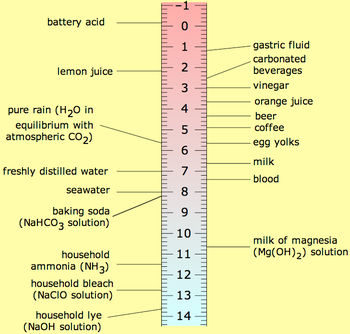
pH scale showing common substances
pH scale showing common substances (Photo credit: Wikipedia)
Alkaline is defined as that which has a pH greater than 7. Because the body functions best at a pH level of about 7.4, it is important to consume foods which will keep your blood at an appropriate pH level.

This is especially crucial when consuming foods which are acidic, and, which, will bring those levels lower than they should be.

Pure, distilled water sits at almost exactly 7 on the pH scale. Foods with a higher number are alkaline, while anything that is lower than 7 is considered acidic.

Supposed Benefits Of An Alkaline Diet

As a general rule, foods can be classified as either acid-forming or alkaline forming.

The human body‘s pH is 7.35, or slightly alkaline. The body is always seeking a state of homeostasis (balance) and it works hard to maintain the healthy neutral alkaline zone.

Now, keep in mind that foods in and of themselves cannot change alkalinity in the body, but, the body does have to work extra hard to compensate for the intake of acid-forming foods that are ingested in excess.

This happens because when your diet is highly acidic the body will often leech calcium from the bones, as calcium is an alkalizing mineral. Over time this can lead to bone mineral loss, which, can result in osteoporosis.

Additionally, as a stressor it can lead to inflammation along with increased cortisol levels, and this can impact overall health in the long term.

Conversely, those foods that are alkaline forming are typically plant based and highly nutrient dense, and also loaded with antioxidants.

Including a variety of alkaline-forming foods in your diet slows the leeching of calcium from the bones, and this results in improved bone health.

These foods also support healthy cell regeneration and fight the effects of free-radicals on the body.

Since it is the pH level of blood which concerns us, putting additional acidic foods into our diets actually works against the human system. When more strain is put on the body to fight sickness and disease, it is no wonder a highly acidic diet might make one feel tired and lethargic.

Benefits Of Alkaline Forming Foods For Athletes And Exercise

Alkalizing foods have can also have major benefits for athletes and for the human body in general during exercise.

A diet high in acid-forming foods results in reduction of muscle efficiency, so more energy expenditure is needed for each and every muscle contraction. Now, during a race or intense activity, this means a lot of extra work for the body.

Since alkaline-forming foods greatly reduce inflammation, the muscles work at more functional levels, and they also require less force to move.

This allows endurance athletes, such as, those who run marathons and participate in triathlons to push harder for longer. For those who do strength training, and bodybuilders, some say that alkalizing foods will allow you to lift heavier weights with less negative stress on the body.

But how do you eat a more alkaline diet? How do you know which foods to choose, and which to avoid? Just check back next week, when we'll share 3 simple tips for making your diet more alkaline!


Note: All information on this blog is for informational purposes only, and should not be considered as medical advice or treatment. You should consult your doctor before beginning any new diet plan or cleanse.

Wednesday, February 18, 2015

Superfoods to Help Fight Alzheimer’s Disease

Alzheimer's disease is a progressive brain disorder that gradually destroys memory and the ability to think and reason. Recent estimates show approximately 4 million people in the U.S. have dementia, most with Alzheimer's disease. By 2050, that number could be as high as 16 million. This disease is devastating not only for those that are stricken with it, but for their families and loved ones. And it is one of the fastest growing diseases in the modern world.

However, there is hope. In fact, just by making some simple adjustments in your diet to include foods high in folate, you can help reduce your risk. According to recent research, older adults whose diets were high in folate reduced their risk of Alzheimer's disease by half compared with those whose diets contain less than the Recommended Dietary Allowance (RDA).

Folate has also been shown to lower blood levels of homocysteine, a risk factor for heart disease. High homocysteine levels, as well as decreased folate and vitamin B-12 levels, have also been associated with stroke and Alzheimer's disease.

Ambersweet oranges, a new cold-resistant orang...
(Photo credit: Wikipedia)
A healthy, well-balanced diet is your best option to get the folate you need.  Be sure it includes at least five servings of fresh fruits and vegetables each day. Foods rich in folate include oranges and bananas, dark leafy green vegetables, asparagus, broccoli, liver, and many types of beans and peas, including lima, lentil and garbanzo, as well as some fortified whole-grain breads and cereals. 

The antioxidants in apples could help protect the brain from the type of damage that triggers Alzheimer's and Parkinson's disease, according to recent research. But it’s estimated that on average Americans only eat approximately one-seventh of an apple per day, nowhere near enough. If you have a good-quality juicer, try juicing fresh apples. The fresh, unpasteurized juice is delicious and full of vitamins. (You can even add some heart-healthy fiber to your diet by using the leftover apple pulp from your juicer to make breads and muffins.) 

Blueberries are an awesome food choice as well to arm your body to combat declining mental capacities.  It’s also imperative to avoid processed vegetable oils and choose healthy natural fats instead so your circulatory system stays healthy.  Research shows that oxidized fats (such as hydrogenated oils) cause inflammation that damages blood vessels and cell walls. Healthy blood flow and blood vessels lessen the chance of brain damage due to strokes or compromised circulation. 

For more information on Alzheimer's disease, and some natural ways to combat it, visit our main blog.


Tuesday, July 29, 2014

Caffeine - The Good & the Bad

Many need it to get going in the morning. When the energy wanes mid-morning, it is used as a pick-me-up. We are talking about caffeine. It has its good side and its bad side.

What Is Caffeine?

It is a stimulant. It is designed to perk you up and get your blood flowing faster. Blood vessels are dilated so you get more oxygen flowing. Caffeine is found in sodas, coffee, tea and chocolate. But is there such a thing as too much of it?

The Good

English: A photo of a cup of coffee. Esperanto...
Coffee (Photo credit: Wikipedia)
Caffeine is an ingredient in many medications. We are not just talking about energy drinks or pills designed to keep you awake so you can cram for an exam or tend to a cranky baby. Look at the ingredient list for headache medications. Do you see caffeine listed there?

Caffeine can open blood vessels so that other medication can reach the site of pain more easily. For someone suffering from a migraine headache, drinking a caffeinated soda or tea can provide quicker relief than a pill. It is not advised to drink a soda as your main remedy, but it can take the edge off while your medication is starting to work.

Let’s go back to those energy drinks. They don’t just keep you awake; they give you more energy. This is desirable for someone who has a lot to do and wants to get it done.

Remember that oxygen increase? As the blood vessels dilate, more blood can reach the brain and so can more oxygen. You can think more clearly from first thing in the morning.

That extra energy can assist with weight loss. Drinking energy drinks can help you get through a particularly tough workout. As the metabolism ramps up, your body burns more calories to help you lose weight.

The Bad

With the good also comes a bit of a downside. While caffeine can do all of these things, using it too much can lead to some potential problems. 

Cans of XTC.
Energy drinks. (Photo credit: Wikipedia)
Caffeine is addictive. Ever notice that you can’t just have one cup of coffee? Some people have several cups. You may have started with one but you end up drinking more as your body gets used to the effects of one cup. Too much can lead to jitters that can cause a lack of focus as the day wears on.

When that much caffeine is going through your system, stopping it can make you a bit woozy. Caffeine withdrawal can lead to dizziness, blurry vision and headache. How ironic, since it can also help stop a migraine.

High blood pressure is also a factor. Many medications that contain caffeine (such as cold medicine) are being changed to a different formulation for those who have a history of high blood pressure. The caffeine can raise normal blood pressure which makes them even more dangerous for someone who has a diagnosis of hypertension.

Regular consumption of caffeine can also deplete your adrenal glands, leading to low energy, fatigue, inability to handle stress, sleep disorders, and a host of other health problems.

Are you a caffeine drinker? A little can be helpful but too much can backfire on you. It's okay to have a bit of caffeine once in a while, but try not to do it every day, and if you do, have no more than what is contained in 1 cup of coffee.


Thursday, May 15, 2014

9 Healthy Cholesterol-Lowering Foods

If you are like many who have been diagnosed with high cholesterol*, you'd like to control the condition with diet before turning to medications. This is a wise approach. There are, in fact, quite a few foods that can help in this regard. Here is a list of some of them, and some suggestions of how to prepare them.

1. Oat bran - While it's not a magic bullet and has been the subject of a lot of hype, oat bran is a high-fiber food that helps lower cholesterol. Oat bran is not only high in fiber, but it also contains beta-glucans which are the keys to its cholesterol-lowering ability. Add it to cereals and homemade breads and muffins.

Barley
Barley (Photo credit: Wikipedia)
2. Barley - Another high-fiber food, barley is rich in beta-glucans as well. In fact, it has as much as three times the amount of beta-glucan as oat bran. Barley is great in soups and stews, and can also be cooked as a breakfast cereal.

3. Beans - Once again, the combination of high fiber and beta-glucans comes together, this time in the humble bean. Beans also contain lecithin, which is a cholesterol-lowering nutrient. Great in chili, stews, soups, and Mexican dishes.

4. Garlic and onion - It seems there are few conditions that garlic can't help. In Europe, garlic is "officially" approved as a treatment for high cholesterol. A clove of garlic a day is said to lower cholesterol by as much as 15 percent. Half an onion a day has a similar effect. Add it to just about anything for a flavor and health kick!

5. Sesame seeds - These tasty little seeds are not the only foods with phytosterols - all plant foods have phytosterols to some degree - but they are unusually high in these compounds. Phytosterols are absorbed into the blood, pushing cholesterol out of the way, so to speak. These can be added to baked goods, homemade crackers, and Asian dishes.

6. Lettuce - Also fairly high in phytosterols, leafy green lettuce is a good food for lowering cholesterol.

Avocados
Avocados (Photo credit: barron)
7. Avocado - Ironically, the high-fat avocado has been shown to help lower cholesterol. It is especially effective when combined with olive oil in the diet.

8. Carrots - Carrots are high in pectin, which is a source of fiber that is implicated in lowering cholesterol. Eat a carrot or two a day.

9. Apples -Apples are also high in pectin. An apple a day...as they say!

As you consider how to incorporate these foods into your diet, here are some suggestions.

Try a bean and barley soup flavored with lots of onion and garlic. Make oat bran muffins for breakfast, and incorporate oat bran into homemade breads. Sesame seeds can also be added to baked goods, and tahini, a sesame seed paste, is a good way to get a lot of this seed into your diet. Try a salad with lettuce, carrots,  and avocado with an olive oil-based dressing.


* Note: These are good, healthy, whole foods, and eating them is a good thing. However, remember that high cholesterol is a symptom, not a disease! Cholesterol is produced by the body in an attempt to heal damage caused by inflammation, so if you have high cholesterol, something is wrong in your body, and you need to take steps to address the underlying issue - not just lower your cholesterol. Consult a doctor who is well-versed in natural health, and won't just prescribe a drug in order to mask the symptoms, but who will take the time to find out what is causing the high cholesterol issue, and help you take appropriate steps to help your body heal.

Enhanced by Zemanta

Thursday, April 10, 2014

Nutritional Solutions for Crohn's Patients

When the small intestine is inflamed -- as it often is with Crohn's disease -- the intestine becomes less able to fully digest and absorb the nutrients from food. Such nutrients, as well as unabsorbed bile salts, can escape into the large intestine to varying degrees, depending on how extensively the small intestine has been injured by inflammation. This is one reason why people with Crohn's disease become malnourished, in addition to just not having much appetite. Furthermore, incompletely digested foods that travel through the large intestine interfere with water conservation, even if the colon itself is not damaged. Thus, when Crohn's disease affects the small intestine, it may cause diarrhea as well as malnutrition. Should the large intestine also be inflamed, the diarrhea may become even more extreme.

English: Esophagus - intermed mag. Image:Crohn...
Crohn's disease - esophagus - intermed mag.jpg (Photo credit: Wikipedia)
People with Crohn's disease whose small intestine is affected, are prone to becoming malnourished due to loss of appetite, poor digestion and malabsorption, and the fact that a chronic disease such as Crohn’s tends to increase the caloric needs of the body due to the energy the body consumes during a flare-up.

Good nutrition is one of the ways the body restores and heals itself. Therefore, every effort must be made to avoid becoming malnourished. Protein is a key nutritional element in the recovery process. Consume healthy proteins such as lean cuts of chicken and fish. A protein deficiency can lead to fatigue, insulin resistance, and loss of muscle mass.

Iron deficiency is fairly common in people with ulcerative colitis and Crohn's colitis and less common in those with small intestine disease. It results from blood loss following inflammation and ulceration of the colon.

Try teaming iron-rich foods such as poultry, naturally fermented soy foods, and some fortified foods such as whole grain cereals with fruits and vegetables that are rich in vitamin C like potatoes, broccoli, cauliflower, Brussels sprouts, red and green bell peppers, and cabbage. This food partnership improves the iron absorption rate, and the vitamin C gives the immune system a boost.

Restrict your consumption of certain high-fiber foods such as nuts, seeds, corn. High-fiber foods also provoke contractions once they enter the large intestine and can cause cramping as a result. They may also cause diarrhea, since they are not completely digested by the small intestine. Sometimes a low-fiber diet is necessary minimize abdominal pain and cramping symptoms.

It may also be necessary to supplement your diet with nutritional supplements to ensure your body is getting the proper amount of vitamins and minerals needed.

Nutrition is one of the best ways to combat disease of all types, and Crohn's is no exception. It can be a very trying disease, to say the least, but eating the right foods in the right combination can help make your life a bit better - and your body healthier.
Enhanced by Zemanta

Tuesday, April 1, 2014

7 Nutrition Tips To Reduce Your Toxic Load

You may have heard a lot about cleansing diets or fasts, but if you want to keep your system clean, it really very simply comes down to what you eat every day.  If you want to keep your body at its best, here are some tips toward maintaining optimal nutrition.

1. Eat Organic, Whole Foods

This is rather basic, but very important.  Whole foods are those that have undergone the least processing, but they do not have to be eaten exclusively raw. 

Examples include whole grains, fresh fruits, and vegetables, grass-fed and free-range meats that are not processed into preserved meat products, and natural sweeteners. 

Your system will not be clean if you continually pump it full of unhealthy foods.  This does not mean you can never indulge, but it does mean that your diet should consist of at least 80 percent whole, organic foods.  That way, when you do choose to indulge, your body can handle it and eliminate the toxins on its own.

Sucanat
Sucanat (Photo credit: Wikipedia)
2. Replace White with Brown

This is a basic nutritional rule of thumb for optimal nutrition.  Replace all refined or "white" foods with whole or "brown" foods.  It's not the color of the food (white popcorn, for example, can be very nutritious); it's the level of refinement.

For example:

* White flour/Whole wheat flour
* White sugar/Raw, unfiltered honey, blackstrap molasses, or Sucanat (natural sugarcane)
* White rice/Brown rice
* Pasta made from refined flour/Whole grain pasta

3. Add Probiotics

These friendly bacteria are important for helping the body keep itself cleansed, and keep intestinal flora in balance.  Sources include yogurt, miso (a fermented soybean paste), kefir, acidophilous milk, tempeh, kimchi (or naturally fermented sauerkraut), lactic-acid fermented pickles and other naturally fermented foods, and probiotic supplements. Many of these (like yogurt) are very easy to make at home - and contain more good bacteria than purchased sources.

4. Choose Nutrient-Dense Foods

These are foods that provide the most nutrient value for their caloric value.  In other words, they are the opposite of "empty calorie" foods like candy, pop, or fried potato chips that are full of calories but lacking nutrients.

Nutrient-dense foods are not necessarily low-calorie (although they can be) - avocados and nuts are examples - but for their calories they deliver large amounts of nutrients.

5. Get Enough Fiber

High-fiber diets are essential to keeping the intestinal system clean.  Fiber bulks up bowel movements, taking toxins along with it as it moves along the intestinal tract.

Healthy choices for high fiber are whole grains, including air-popped or stove-top popcorn (not microwave popcorn, as it may contain some dubious chemicals), fruits, fresh vegetables, beans, and legumes.

http://www.amazon.com/b/?_encoding=UTF8&camp=1789&creative=390957&linkCode=ur2&node=2592379011&qid=1396121755&sr=8-1-acs&tag=newholliv-20
6. Don't Be Afraid to Supplement

The supplement debate is likely never to be resolved, but supplements are worth looking into in today's often nutrient-deficient culture.

If you are not getting enough vitamins, minerals, fiber, or probiotics from your diet - and such dietary goals can be difficult to reach - consider supplementing with a natural multivitamin, minerals, probiotics, or fiber sources (such as psyllium husks). Choose a good quality manufacturer such as Garden Of Life, or Standard Process, which are made here in the US and include organic and whole-food ingredients.

7. You Are What You Drink

Do not forget to drink plenty of water!  No other beverage is a good substitute for water. Regardless of what else you drink, you still need to drink plenty of water throughout the day. Add a few generous squeezes of lemon juice to your first glass of water in the morning for a liver-cleansing tonic.


Good Supplements Are Easy to Find Online:
   
Enhanced by Zemanta

Tuesday, January 21, 2014

Detoxing to Heal Eczema

If you’re one of the three percent of adults that has to deal with eczema, you know what frustration feels like.  You’ve probably tried all kinds of pills, creams, and seemingly ridiculous regimens with very little luck.  Well, all these chemicals you’re adding may just be part of the cause of your problem.

A patch of eczema that has been scratched
A patch of eczema that has been scratched (Photo credit: Wikipedia)
As we go through our day, toxic chemicals are continually entering our body; they’re in the food we eat, the products we put on our skin, and even in the air we breathe.  While a little bit of these chemicals is fine for most people, after a few years, they build up in our bodies, slow us down and can even lead to negative health effects.  Eczema is one of the negative effects many people believe is caused by these chemicals. 

The good news?  This means that if you periodically flush these chemicals out of your body through detox, you may see your symptoms decrease almost immediately.  Plus, you’ll probably feel better and lose some weight, too.

So, you know why to detox - the next step is the how.  The truth is, there’s no one way that has been proven best for detoxing.  A juice fast is often recommended, but a cleanse that can work great for eczema is an apple diet.  Simply eat fresh, organic apples for several days.  Any variety works, in fact, you’ll probably prefer getting a few different kinds to liven it up a bit.  There are also various fruit and vegetable juice cleanses you can try.  Just remember to use freshly squeezed juice and not bottled to ensure you get all the vitamins and active enzymes.

You can also try a fresh foods cleanse diet, such as the Total Wellness Cleanse, which is very gentle on your body and very effective - but it may take several weeks.

There are many companies that will sell herbal complexes you can take to help cleanse your system.  While this is a great way to detox, always take great care when using these products.  You always want to research what products you try and consult an expert and a doctor before taking anything, as many herbs can have interactions and side effects.  Also, there is no regulating body like the FDA to regulate what goes into these products.

Healthy Berries are Good Food for Health
(Photo credit: epSos.de)
Once you’ve detoxed your body and seen symptoms improve, don't stop there.  While periodically detoxifying your system will flush the chemicals out of your body, it’s best if they never get there in the first place.  Try eating less processed and more fresh organic food and using natural skin, hair, and other personal products.  Many people have benefited from increasing their fatty acid intake as well.  This will keep you looking and feeling better between cleanses.

If you try a detox and see results, but symptoms immediately return when you return to a normal diet, your symptoms may be from a food allergy.  Try recording what foods you eat, along with severity of symptoms.  Review your records every so often to see if a specific food is triggering your symptoms.  You may need to avoid certain types of food like dairy or gluten.

For many people, a detox diet alone is still not enough.  For full treatment, you will likely need to use the topical treatments provided to you by your doctor.  You should also let them know of any herbs or special diets you use in case it interacts with your other medication.

But for some, switching to a clean, healthy diet of fresh, whole, unprocessed foods may be all you need to relieve your eczema and return to full health.

Enhanced by Zemanta

Thursday, December 5, 2013

How Aromatherapy Can Improve Concentration & Mental Clarity

By now, most of us have probably heard about the benefits of aromatherapy for relaxation.  It seems like there are hundreds of scents you can choose from if you want to unwind at the end of a long day.  Aromatherapy works quickly and effectively because, unlike other senses, scent is connected directly to your brain.  Since you already know aromatherapy works great to relax, why not try it when you need to concentrate?  Aromatherapy can be used to turn your brain back on, perk you up, and sharpen your thought process.  Imagine the work you can get done with that extra invigorating boost!

When it comes to concentration, there are many scents to choose from.  There are minty, fruity, and fresh smells that can help.  This means that you’ll be sure to find one you actually think smells good.  Here are just some of the options available:

* Lemon
* Mango- this can also help to improve concentration by easing symptoms of depression.
* Pine- this helps to increase energy levels as well as concentration.
* Apple- this can also give you an extra energy boost.
* Rosemary-this scent promotes relaxation and alertness at the same time.
* Peppermint- this has always been recommended to improve alertness for long study sessions
* Eucalyptus- this is similar to peppermint, and can be used to provide a slightly different scent.

If you want to use aromatherapy to help you concentrate, there are several options for helping the scent reach your nose.

Aromatic candle
Aromatic candle (Photo credit: Wikipedia)
* Aromatherapy candles.  These are an easy and simple way to help spread your favorite invigorating scents throughout the house.  They are slightly less concentrated, but they still get the job done.  Just buy the scents you want and light them whenever you’re studying or just need a mental boost.  Just remember that candle smoke pollutes your indoor air so make sure you have a filter in your vents, and use candles with natural ingredients such as soy and essential oils instead of paraffin wax and synthetic fragrances if possible. 

* Humidifier.  Simply find the oil form of the fragrance you want, put a few drops in your room humidifier and let it work.  As the water gets put into the air, the oil gets taken with.  When the droplets evaporate, the room is filled with your favorite refreshing sent.  They also make devices now that use water to disperse scent and clean your air at the same time.

* Rub on oil.  Instead of using the oil in your humidifier, just rub it onto your chest or under your nose.  It works like VapoRub by sending invigorating vapors right up to your nose.  Just be careful, many essential oils are quite strong and may irritate the skin, so you’ll want to mix a few drops with a mild, gentle carrier oil such as light sesame or almond oil.

If you want to study, concentrate more on work, or just feel energized and alert at the end of a long day, try one of these fantastic aromatherapy scents, and see how much more focused you feel!
Enhanced by Zemanta

Tuesday, December 3, 2013

5 Healthy Uses for Peppermint Oil

One happy side effect of the high cost of today's medical system is that it’s becoming more common for people to skip potentially dangerous prescription and over the counter drugs for natural alternatives that work with your body to help it heal.  The great thing about many of these natural products is that they can be beneficial for more than one problem.  A great example is peppermint oil.  It has been used to help with many different health issues. Plus, nothing says holidays like the scent of peppermint - bringing back memories of candy canes, minty hot cocoa, and more! Get in the spirit of the holiday season, and stay healthy this winter, with these 5 helpful tips for using peppermint oil.  (Remember, as with any essential oil, if you’re applying the oil directly, it’s best to dilute it in a neutral carrier oil before you apply.)* 

Mentha x piperita: Flowers and leaves.
Mentha x piperita: Flowers and leaves. (Photo credit: Wikipedia)
1. Digestive aid
The most common use of peppermint oil is aiding in digestion.  It helps promote the production of digestive juices, so you can use it on a regular basis to help your body - and it can especially be useful during the holiday season of overeating!  It also can be used to offer relief from digestive problems such as heartburn, nausea, gas, cramps, and even a spastic colon.  You can use peppermint oil when you experience symptoms, but it can also be used to prevent symptoms if you have a chronic condition like irritable bowel syndrome. 

2. Cold and flu 
Peppermint oil has several properties that can help with your cold and flu symptoms, along with other illnesses.  Peppermint oil is an expectorant, helping break up chest congestion. Rub some on your chest before bedtime to help relieve coughs, instead of over-the-counter creams containing harsh chemical ingredients. It has also been used to reduce fever, soothe scratchy throats and, get rid of headaches.  It’s a great natural alternative to over-the-counter medications that may contain alcohol or other unwanted ingredients.

3. Mental capabilities
Rubbing a dab of peppermint oil on your temples can help wake you up and improve your concentration and memory.  This is great when studying for or taking tests, or any other time you need to be alert and mentally clear.  It’s a great way to give brain a little boost without having to rely on coffee.  This can also be beneficial to help you feel better when you feel faint or dizzy.

4. Asthma
Peppermint oil contains menthol.  This is the substance used in many conventional medications that can help clear up any breathing difficulties.  The vapors produced from peppermint oil can clear out a stuffy nose, help with coughing, and even help stop an asthma attack (although you shouldn’t stop conventional treatment). Dab some under your nose to help with nasal congestion, or add a drop or two to a bowl of hot water and inhale the steam. 

Peppermint tea
Fresh peppermint tea (Photo credit: Wikipedia)
5. Heart Problems
Peppermint oil has been used to help reduce heart palpitations.  It is also used to make the heart beat better and improve circulation throughout the body.  This can help ease several problems related with circulation difficulties.  Peppermint oil keeps your blood pumping strong. 

In addition to peppermint oil, you may also find some benefit from peppermint tea.  You can even put a few drops of peppermint oil in water for a different, but effective peppermint drink.  If you’re applying the oil directly, it’s best to dilute it in a carrier oil, such as almond oil, before you apply. 

Peppermint oil and tea are wonderful natural cure-alls that are great to have around the house.*

* Information provided is for informational/educational purposes only, and should not be acted upon without first consulting a qualified health professional.

Buy Peppermint Oil: 
     
Enhanced by Zemanta

Thursday, November 21, 2013

Think Zinc: Why Your Body Needs It for Good Health

The body is a complex machine that needs lots of different nutrients to perform its daily functions. One of those nutrients is zinc. You may only think of it in relation to keeping you from getting sunburned, but it serves an even greater purpose than that.

Why should we be thinking about zinc? It is an important mineral in the body. Each day, the body performs thousands of reactions that can happen in the blink of an eye. From the foods we eat, the body filters out what it needs and directs it to the right places for use. What we don’t need is eliminated as waste. Each day the process begins again.

The Importance of Zinc

English: Zinc
Zinc supplements. (Photo credit: Wikipedia)
In the body, zinc is responsible for helping with hundreds of reactions in a variety of cells. For one, it plays a very important role in immune function. Zinc is instrumental in stimulating the formation of T-lymphocytes or helper T-cells. These are the white blood cells that rush to the sight of an invading infection to stop the onslaught on the body. It plays a role in wound healing as well.

Zinc stimulates enzyme activity. Enzymes are catalysts for hundreds of reactions, from secreting hormones from glands to stimulating the creation of reproductive cells.

It supports normal growth and development throughout your life. In the womb, it helps to ensure that the neurological systems develop as they should during each trimester of pregnancy. After birth it still functions to support brain development.

Basically the body couldn’t do without zinc and yet, many people are deficient in this mineral. It may not be noticed at first, but over time it can show up in decreased immunity or greater susceptibility to colds and other illnesses. You often see people taking Echinacea and zinc as natural remedies to fight these conditions.

Foodstuff containing zinc
Foods containing zinc. (Photo credit: Wikipedia)
Foods that Contain Zinc

The best way to get zinc into your system is through your food. This is always a preferable choice to supplements as it is the natural form of the mineral, and is more easily absorbed and utilized by the body. Check your diet. If you are not eating any of these foods, you could be zinc-deficient.

* Oysters
* Wheat germ
* Bran
* Cheese
* Beef
* Lamb
* Other dairy products
* Walnuts

The highest concentrations of zinc come from beef. Eating a few servings a week can boost your zinc levels. On a daily note, try adding nuts or cheese to your dishes. Wheat germ can be added to cereals and yogurt without changing the taste much. If that doesn’t do it, try fortified cereals that contain added zinc.

The average person over the age of fourteen needs eight to eleven milligrams a day. Children need between two and five milligrams depending on age, and pregnant women need eleven or more milligrams.

Zinc is an important mineral used in every cell in the body. Make sure you are getting enough to keep your body healthy and free of illness this winter.


Enhanced by Zemanta

Tuesday, October 8, 2013

The Basics of Homeopathic Healing

Homeopathy has been used for more than 200 years to treat everything from colds and viruses to significant conditions like cancer and post traumatic stress disorder.  It’s based on the theory that the body is the best source of healing for itself.  Let’s take a look at the theory behind Homeopathic healing and how it’s used. 

The Three Principles of Homeopathic Healing

Homeopathy is based on thee main principles.  They include:

English: Image: homeopathic substance Deutsch:...
Homeopathic substances (Photo credit: Wikipedia)
* Like Cures Like
This principle is often seen in the treatment of allergies.  For example if a person is allergic to grass pollen then they will regularly receive injections with a small amount of grass pollen in the solution.  The theory being that they will slowly build up a tolerance for the allergen until they have little or no reaction.  The same holds true for many of our vaccines.  If you’re getting a flu vaccine, you’re receiving a small amount of the flu virus.  Your body recognizes it and defeats it thus, when that particular strain of the flu comes around you won’t get it because your body knows how to combat it.

* Minimal Dose
Homeopathic healing takes the approach of extreme dilution, theorizing that your body doesn’t need to be inundated with an element to adapt and respond.  How diluted are the dosages?  We’re talking about 1 part homeopathic element or remedy and  1,000,000,000,000 parts water (or other inert filler substance).

* The Single Remedy
Have you ever had a cold but didn’t have the cold medication to cover all your symptoms so you took a decongestant, a fever reducer and cough medicine combined to try to make it through the day?  This is the opposite of how homeopathy approaches healing.  Because you’re dealing with having the body heal itself, homeopathy believes that only one remedy is taken - usually it’s the presumed cause of the illness that is the remedy.

Who Can Use Homeopathy?


Homeopathic healing is deemed safe for everyone. This includes pregnant women, children and even babies and the elderly.  Treatment is easy and typically involves, once a diagnosis has been made, taking a powder or small tablet orally.  The tablets are designed to dissolve in your mouth and may need to be held under the tongue for a few seconds until completely dissolved.  While some treatments may require only one tablet taken daily, others may require several tablets each day.  The treatment depends on the diagnosis and the practitioner.

Various homeopathic remedies
Various homeopathic remedies (Photo credit: Wikipedia)
Why Use Homeopathic Healing?

Believe it or not, homeopathy  is the second most widely used form of healing in the world. And its popularity in western civilization continues to grow - it is even approved by the FDA, which is an extremely tough thing for a natural remedy to achieve as you may know.  By and large, this success is due to the fact that homeopathy is extremely effective, when properly diagnosed.  It’s also extremely safe and results in virtually no side effects and it can be taken with other medication without the fear of interaction.

Homeopathic remedies are also natural. You’re not putting potentially harmful chemicals into your body. In addition, as more and more people adopt a more holistic approach to healing, it’s much more natural and effective to treat the cause of a problem rather than the symptoms.  Homeopathy treats the cause.

When it comes to healing, homeopathic healing has a long and successful history and a bright future.  To find a skilled homeopathic doctor you can visit one of the many online directories or associations or you can speak to your medical practitioner for a recommendation.

Enhanced by Zemanta

Tuesday, July 30, 2013

What Is Your Biorhythm?

In nature, many things run by cycles - the tides cycle, the weather cycles, the season cycles - even the sun goes through an active and passive cycle, or activity like solar flares.  So, if everything around us goes through cycles, shouldn’t we go through cycles as well?  This is what the concept of biorhythms is based on.  The principle is that all humans go through physical, emotional and mental cycles and if we understand these cycles, we can predict them, just like the weather, and use this knowledge to our advantage. 

In the study of biorhythms, our emotions, physical well being, and mental well being are all represented by curves.  There is a midline that is simply the middle state of all these factors.  When a curve goes above the midline, we have a high of the corresponding factor.  For instance, we would be happy if our emotional curve is above the midline, or we would be more physically resilient and better able to heal if our physical curve is above the midline.

The midline is a very important part on the biorhythm scale.  Not only is it important whether you’re above or below the midline, but crossing the midline is a very important time as well.  This indicates a turning point, but it also might be a hard time for you.  You may feel physically or mentally drained, or have emotional ups and downs. 

Kapampangan: Biorhythm Chart.
Biorhythm Chart. (Photo credit: Wikipedia)
Biorhythm curves also contain an average line.  This is exactly what it sounds like; it’s an average of all three curves.  It simply represents your overall well being.

If you think about it, many people already accept the ideas of emotions and physical properties running in cycles.  Women have a hormone cycle in their body that coincide with their menstrual cycle.  While it’s not necessarily as predictable and precise as some people may suggest, it still occurs.  And many people have theorized that men have a similar cycle. 

Biorhythms run on a different time cycle than this.  In fact, physical, emotional, and mental biorhythms all have a separate time cycle.  As one might expect, the emotional curve has a cycle of 28 days.  The physical curve is shorter at only 23 days, but the mental curve is much longer at 33 days.

Many people hear about biorhythms and think that it sounds like some ridiculous theory that is based on a random idea someone had; however, biorhythms were actually discovered by Dr. Wilhelm Fliess.  He was looking at case studies of his patients and actually noticed that they all seemed to have the same up and down fluctuation in all these factors. 

Some people still think it sounds a bit hokey, because it feels like predicting the future.  But biorhythms don’t predict major illnesses or any future events; they simply predict general well being based on past cycles.  This isn’t going to help you make major life decisions, but you can use it to help decide when to take a vacation, have an operation, or even work your exercise program around it to improve your results and overall health.

For more on biorhythms, see the resources below:
   
Enhanced by Zemanta

Monday, October 15, 2012

Natural Remedy: The Many Uses of Tea Tree Oil

Tea tree oil is the essential oil derived from the leaves of the Melaleuca tree.  The tree is found in Australia.  It has been heralded for having anti-fungal, anti-bacterial, and anti-viral properties that make it a favorite among alternative health professionals and natural practitioners.

Rather than using over-the-counter or prescription anti-fungal medicines, you may want to try the natural anti-fungal tea tree oil instead.  Here are just a few ways tea tree oil can be used:

Tea Tree Oil
Tea Tree Oil (Photo credit: Wikipedia)
* To treat athlete’s foot
* To treat toe fungus
* To treat acne
* To treat Candida and thrush
* To treat vaginal infections
* To treat contact dermatitis – allergic reactions
* To treat cuts and scrapes
* To treat dandruff, psoriasis and other scalp/hair related dryness and issues
* To treat burns
* To treat lice
* To treat herpes
* To treat Staph infections

Application of Tea Tree Oil

Tea tree oil, unlike other supplements, isn’t to be taken orally.  It’s commonly made into a tincture or added to inactive ingredients before applying directly to the skin.  For example, a common dose is 5-10% tea tree oil in gel or shampoo form.

Full-strength 100% tea tree oil can and is often used to treat fungal nail infections or skin infections.  It can also be used in full form as an antiseptic or antibacterial treatment.  In some products to treat acne, benzoyl peroxide and tea tree oil are both at 5% and combined with inactive ingredients. 

Tea Tree Oil Isn’t Safe for Everyone

Tea tree oil is known to cause allergic reactions in some people, and should not be used if you are pregnant or breastfeeding.  Allergic reactions include mild contact dermatitis to severe blistering rashes.

English: little bottle of Tea Tree Oil Česky: ...
 (Photo credit: Wikipedia)
A few smaller studies have also connected tea tree oil to altering hormone levels, so if your hormones are sensitive or you are pregnant or breastfeeding it should be avoided.  Additionally, it’s been connected with breast enlargement in boys so adolescent males may want to avoid tea tree oil.

Additionally, while tea tree oil may be found in mouthwash and toothpaste these products should only be used by adults who do not swallow their toothpaste and mouthwash.  Tea tree oil when consumed can cause impaired immune function, diarrhea, fatigue and in extreme cases even coma.

Tea tree oil is one of the wonderful things nature has given us.  However, it isn’t to be taken lightly.  Use it as it's intended, speak with a physician if you have questions or concerns, and enjoy the benefits of this wonderful and powerful oil.


Buy Tea Tree Oil Online:
   
Enhanced by Zemanta