Showing posts with label Bisphenol A. Show all posts

Tuesday, April 29, 2014

Avoid These Common Chemicals to Stay Healthy & Live Cleaner & Greener!

Living a green life might not be easy, but it can be very beneficial. Changing everything you use - from makeup to pesticides - can be a huge sacrifice, but it will pay off in the end. You will be healthier and help out the environment as well. Today you will learn about some of the unhealthy chemicals which you find in everything from your cosmetics to garden pesticides. Then we will show you some healthier alternatives to these products.

Cosmetics
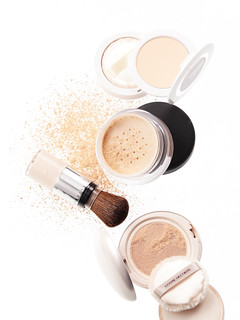
Cosmetics (Photo credit: My Sight, as You See.)
When you look around your home at the products you have and use, you might not think there are too many harmful things there. But many of the common products we use every day contain ingredients which aren't good for us. Our soaps, deodorants, shampoo, conditioner, lotion, toothpaste, and even the cosmetics we use contain these potentially dangerous chemicals. Here's what you should look out for in them.

* Mineral oil (found in baby oil) - Mineral oil can clog your pores, prevent skin from breathing, and stop toxins from being eliminated from the skin. It can even steal vital vitamins and minerals from the body. In the worst case scenario, mineral oil has even been linked to diseases like pneumonia by weakening normal lung function.

* Sodium lauryl sulfate and sodium laureth sulfate - These are found in many soaps. They remove moisture from the skin, irritate the skin, and can cause hair loss. Sodium lauryl sulfate which is found in many shampoos, soaps, and even mouth wash is also the same ingredient that's used to degrease car engines! Sodium laureth sulfate is usually mixed with a chemical known as dioxane which is a known carcinogen.

* Propylene glycol - This can cause liver and kidney damage. If it's in mouthwash with more than 25% alcohol, then it can even lead to throat cancer.

* Isopropyl alcohol - This kills germs, but be careful and use it sparingly in a well-ventilated area. If not this can cause inhalation poisoning.

* Flower/floral water - These are found in many unnatural soaps and are used to scent them. They can lead to allergies. Read the ingredient labels and check for natural hydrosols; those are the kind of fragrances that are usually okay to use.

* Paraffin wax - This is found in some candles. Paraffin wax is a by-product of petroleum. When burned, this puts toxins into the air which are bad for the lungs.

* Dyes and pigments - Watch out for FD&C and D&C dyes as these can be carcinogenic.

* Diethanolamine (DEA) - This is another known carcinogen.

* Aluminum - This is found in deodorants. It may cause cancer, especially breast cancer. Aluminum is also bad for the brain and has been linked to brain disorders like Alzheimer's.

Even common household furniture, electronics, toys, and baby bottles can contain harmful chemicals. There can be toxic flame retardants in your electronics, plastic toys can contain phthalate plasticizers and lead, and baby bottles can contain BPA. 

Phthalate plasticizers are used to make plastic more bendy and are often added to many household items such as hairspray, cosmetics, and wood finishes. They may cause reproductive problems, but this so far has only been found in lab animal studies. This is a difficult product to avoid as it's added to so many different things.

BPA is used to strengthen polycarbonate plastics. It has been shown to cause developmental disorders and thyroid problems. Most baby bottles are being made to not contain BPA, but you do have to look for BPA-free products.

NATURAL LAUNDRY PRODUCTS
NATURAL LAUNDRY PRODUCTS (Photo credit: live w mcs)
And of course pesticides and bug sprays can be harmful - as most people now know. However, you can find natural alternatives to many of your beloved household items that you might find you like even better. There are so many natural alternatives to everything out there, including pesticides and bug sprays. Make sure you read the labels of whatever you purchase and do lots of research on the products and their ingredients. 

There are many websites where you can check the toxicity of your favorite products and see if there are better alternatives to switch to. Try the EWG (http://www.ewg.org/skindeep/) for everything you put on your skin. TheNaturalProductDirectory.com has categorized listings of makeup and skincare products, with safety ratings, customer reviews, detailed ingredient lists, and more.

HealthyStuff.org has a nice database for checking all sorts of household items including toys.

And of course, be sure to check out our website for a FREE report & home checklist with lots of helpful tips for avoiding/reducing chemicals throughout the home, and many alternative products that are safe to use instead! www.newholisticliving.com/toxic-load

You might not be able to remove all of the carcinogens in your life by switching to more natural products, but it's a start. You might find you really like these more natural products and you're spending less by not paying for the name, or they could require you to use less so the product will last longer. So go check those ingredient labels and see where you can alleviate some toxic health concerns in your day-to-day life - you, and the planet, will be healthier for it.

Enhanced by Zemanta

Tuesday, May 28, 2013

Recycling 101 - How, Why and What to Recycle

Most of us want to recycle.  However, understanding what’s recyclable and what isn’t can be overwhelming.  Some communities offer support including bins to sort your items in and clear definitions about what is acceptable.  Yet other communities leave their residents more or less alone to figure it out for themselves.  Regardless, here’s the low-down on how to understand recycling and what to do with those extras like cell phones, paint cans and computers.

What is Recyclable?

Essentially just about everything is recyclable however, most recycling programs divide items into four main categories:

* Paper
* Plastic
* Metal
* Glass

Paper items include newspapers, magazines, paper bags, books, cardboard and cardstock.  Just about any type of paper can be recycled and most programs do not limit types of paper however, some do not take cardboard or glossy magazines - check with your local recycling program to be sure.

Plastic is typically where it gets confusing.  Here’s a basic rundown of plastic types and how they’re labeled for recycling.

Resin identification code 4 for low density po...
Resin identification code 4 for low density polyethylene (LDPE) (Photo credit: Wikipedia)
1. PET (polyethylene terephthalate): Soda and water bottles are made from this type of plastic.

2. HDPE (high-density polyethylene): Milk, juice and detergent bottles are made from this type of plastic. 

3. PVC (polyvinyl chloride): Plumbing pipe, shower curtains, and some plastic toys and infant materials.

4. LDPE (low-density polyethylene): Grocery bags and food wrap are made from this plastic

5. PP (polypropylene): Many food storage containers are made from this type of plastic.

6. PS (polystyrene): Also called Styrofoam, this plastic is used to make take out containers, cups and packing materials.

7. Other: Anything labeled 7 cannot be recycled.  This includes many squeezable bottles, older reusable water bottles and dishes.  This type of plastic leaches Bisphenol A, which is toxic and best not to be used anyway. 

Metal items include tin food cans, which commonly hold tomatoes, beans, and other vegetables, as well as soda cans and coffee cans.

Glass items include any glass bottles or jars. However, some recycling programs only take certain colors of glass, or may require the colors to be sorted separately, so check with your local area recyclers if unsure.

English: glass and plastic (bottles) recycling...
Glass and plastic (bottles) recycling in Poland.(Photo credit: Wikipedia)
For those extra items like cell phones and computers or items like paint cans or car batteries, check with your local recycling center to find out if they offer special drop off days.  If they do not, often you can find recycling businesses in your community.  They may charge a small fee but it’s better than tossing them into a landfill.  Online you’ll also find many companies that will actually pay you for your used cell phones and computers. 

Preparing Items For Recycling

The steps to recycle and to prepare your items are easy. In most all cases, you need to simply wash them.  Don’t worry, you don’t have to scrub them clean, a simple rinsing will get the job done.

Remove caps from plastic and glass items.  They’re not recyclable - unless you have a specific source that you know will take them.

Recycling is a relatively easy way to be environmentally conscious.  If your community doesn’t offer curbside service then a sorting bin and a monthly trip to the recycling center while you’re running other errands will get the job done without too much time and effort.  Don’t let recycling intimidate you, it’s easy and well worth the effort.

Enhanced by Zemanta

Monday, April 9, 2012

What Are The Toxic Plastics To Avoid?

It seems like just about every day we learn about another toxin in our presumably safe home.  Whether it’s that water bottle you’re drinking out of or the plastic dishes you store your food in some plastics are leaching poisons into your home and into your body, increasing your toxic load.  However, not all plastics are bad.  Plastic in general is a very useful resource because it enables us to reuse products time and time again, thus conserving resources. Let’s take a look at a few different types of plastic and learn which ones are safe to use.

Polycarbonate water bottlePolycarbonate water bottle (Photo credit: Wikipedia)Polycarbonate

This plastic is responsible for releasing Bisphenol A which has been in the news a lot lately because it’s found in a number of water bottles and large water jugs, certain types of Nalgene bottles, baby bottles, car parts and other common manufactured food storage containers. Bisphenol A has been linked to various types of cancer and other diseases. The easiest way to identify this plastic is to look at the recycling label on the bottom of the container. If it says 7, other, or PC then steer clear of it.

Polyethylene Terephthalate

This plastic is commonly used for water bottles and soda bottles. It’s generally safe for one-time consumption however multiple uses, like refilling that same plastic water bottle over and over again is not all that healthy.   Over time, and especially when exposed to heat, the plastic will begin to degrade and leach (and bacteria can begin to grow).

High Density Polyethylene

This is what milk containers and those plastic grocery bags are made from.  It is recyclable and is generally labeled HDPE, and is generally safe for multiple uses.

Plastic recycle logo PVC, Polyvinyl Chloride T...Plastic recycle logo PVC, Polyvinyl Chloride  (Photo credit: Wikipedia)Polyvinyl Chloride

This is an extremely toxic plastic and is commonly called PVC.  It’s used in window frames, to wrap meat in your grocery store, in shower curtains,  in your plumbing and in many baby toys like rubber duckies and mattress covers.  It can release toxic fumes (you probably are familiar with the strong smell of a new shower curtain liner) which are quite harmful, but if fumes are allowed to dissipate before bringing into the home, it becomes more inert and less harmful. To identify this plastic look for the recycling label 3 or PVC.

Polystyrene

This plastic is used to make plastic silverware, coffee cups, take out containers and egg cartons.  It’s commonly called Styrofoam.  It has been linked to cancer.  It’s often labeled PS or 6 for recycling.

Polypropylene

Polypropylene or PPE is a commonly used and safe plastic.  You’ll find food bags, cups and plastic bottles, medicine bottles and other food storage items are often sold in this plastic.

Low Density Polyethylene

Another safe one, this plastic is what makes up your garbage bags, ketchup squeeze bottles and the plastic wrap you use to store food in your refrigerator. It’s commonly labeled 4 or LDPE for recycling purposes.

By and large manufacturers are getting better about using safe plastics to create their products.  However, it always pays to know what you're buying and potentially putting into your body. The plastics to look out for (and not buy) are PVC, Polycarbonate, and Polystyrene because they are the most toxic and when thrown away will continue to leach toxins into the soil.  Making informed choices when purchasing plastics can help keep your family and the planet safer.

Enhanced by Zemanta

Friday, April 22, 2011

Why is Plastic Packaging Toxic?

Check out this eye-opening video on why plastic packaging can be so damaging to your health. BPA has been in the news a lot the past few years, but some people still don't know exactly what it is, or why you should avoid it. This video and article will give you a basic overview of some of the very scary effects these chemicals can have on our bodies. There are many healthier choices available these days - everything from baby bottles, to food containers, to water bottles can be found in better, cleaner materials that will not contribute to your toxic load and damage your health.

Why Is Plastic Packaging Toxic?
Learn more and download a free health report on toxins at www.dreliaz.org ! In this segment, Dr. Isaac Eliaz exposes the growing dangers of plastic packaging. Each year in the United States, nearly 90 million plastic bottles are purchased, burdening ...


Enhanced by Zemanta