Showing posts with label toxic load. Show all posts

Wednesday, May 6, 2015

How to Analyze Your Toxic Load

As you may realize if you've been reading our blog posts for a while, your body is a pretty complex organism. It handles many thousands of tasks each day - many of which you’re completely unaware of. When something isn’t right, your body will start sending you warning messages.

The problem is that not many people understand that these warning messages come in the form of symptoms. When there’s an issue, your body tries to get you to address it by causing something to hurt, to swell, or by taking up more energy than it normally would.

Far too many people ignore these messages in the form of symptoms until they reach a point where they feel too poorly to keep up with the tasks involved in their day-to-day living.

English: Skull and crossbones
Toxic. (Photo credit: Wikipedia)
One of the reasons that your body can start sending out warning messages is because it can reach a point where toxins build up, leading to toxicity. By the time you reach that point, you’ll feel pretty bad!

You can do a lot to help your body stay in good health by checking to see if your mind or body have been showing symptoms commonly associated with a toxin build up (also called toxic load).

In the mind, the number one symptom is mental fog. When this happens, you’ll begin to experience trouble with the way that you think. You’ll lack the clarity that you once had.

At first, you might not even notice that your mind isn’t as quick as it used to be but as time passes and toxins continue to build up, the mental fog will only grow worse.

Mental fog can vary from one person to the next, depending on the level of toxins you’ve been exposed to and how your body reacts to those toxins. What can be kind of frustrating is that testing for toxins isn’t easy. In fact, many lab tests will come back within normal parameters when you actually do have a problem, because they're not really testing for the things that are causing the problems..

Your body will also show symptoms of fatigue when you have a build up of toxins in your body. This fatigue can reach the point where it leaves you unable to function. This type of fatigue is often attributed to other conditions, rather than looking at your toxic load.

When toxins stay in your body, over time, it takes away your energy stores and that’s why you feel drained of energy. Your body can only handle so much and when your toxic load is high, your system tries to get rid of them, but unfortunately, it often can’t keep up with the volume of toxins we’re exposed to on a daily basis in the modern post-industrial world.

http://www.newholisticliving.com/request-free-detox-e-book-b.html
Click Here to Request a FREE Copy
That’s why your body needs a detox. When you go through a detox plan, you can cleanse your body of all these toxins, even if the toxins have built up over time. You can restore clarity of mind and get the energy that you lost back. However, you need to do this the right way.

Some "cleanses" and detoxification programs can actually cause additional stress to the body - which is not helpful. This month, we'll be discussing some ways to cleanse and detoxify your system gently, and naturally reduce your toxic load. Be sure to check back next week, when we'll be discussing one of the best little-known ways to rid your body of toxins naturally!

In the meantime, grab a copy of our Free Report that discusses some popular means of detoxifying that are NOT healthy for you:

http://www.newholisticliving.com/request-free-detox-e-book-b.html


Thursday, May 22, 2014

Safe & Natural Carpet Cleaning Tips

You’re constantly on it with and without shoes. Your kids and young family members sit on it, roll around on it and play on it. Your pets sleep on it, they chase toys on it and beg for treats on it.  You might be aware of all the activities that your carpet does handle. But you might be surprised at what hides in your carpet where you can’t see what’s going on.

You can see surface stains (and you get those up right away), but there are things in your carpet and living on the padding beneath it that you probably don’t want to know about - but you do know that you want your carpet to be clean.

the carpet needs a vaccum
 (Photo credit: Queen Of Light and Joy)
To test how clean and safe your carpet is, vacuum it once with a regular vacuum cleaner and look at the amount of debris that gets vacuumed up. Then go over it again with a vacuum cleaner designed with eco-friendly living in mind and see how much more debris is pulled up. That’s the stuff that you can’t see.

Now go over the floor again with an organic cleaner and see how dirty the water looks. That’s because no matter how many times you vacuum your carpet, no matter how powerful the vacuum, in order to stay truly clean, a carpet has to be cleaned with organic options in mind.

Using commercial cleaners to clean your carpet isn’t safe for you so you’re going to want to use natural methods. First, make sure you have a regularly scheduled vacuuming routine.

Always clean up any spills the moment they happen. You can use salt to absorb a spill, which is a natural way to keep a spill from becoming a stain. Use a damp (not wet) cloth to lighten stains like a wine spill, and then treat it with an organic stain remover.

Don’t use commercial cleaners to steam clean your carpet because the chemicals used are bad for the carpet and bad for your home - and bad for your family. Plus, by using steam cleaners, you run the risk of leaving the carpet padding wet, which can encourage the growth of natural toxins like mold and mildew.

Pets, especially cats, tend to leave a home and carpet smelling like you have pets - so use baking soda on the carpet to absorb any odors - then vacuum it up. You can also buy an organic formula just for pet stains and odors that are safer for pets than using baking soda - some animals have sensitive skin that may be irritated by baking soda.

Clean
(Photo credit: eddie.welker)
Choose a system to clean your carpets by getting a cleaning machine that has a low moisture option. By having a machine with a low moisture control, you won’t over soak the padding beneath the carpet and cause mold or mildew.

Use organic carpet cleaners that specifically state they’re for high traffic areas if that’s the carpet area you need cleaned, and make sure it states that it’s safe around pets. Some people prefer to save the expense of a carpet cleaning machine and use elbow grease instead!

Homemade carpet cleaning recipes can be as simple as a vinegar and water solution, so look for one that appeases you and start a routine that allows you to safely maintain clean and healthy carpets in your home.


Try These Natural Carpet Cleaning Products:
     
Enhanced by Zemanta

Tuesday, May 20, 2014

Choosing Safer Cleaning Methods for Your Home

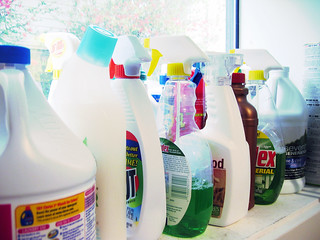
If you check out the cleaning supplies aisle in any grocery store, you’ll see that the shelves are filled with products designed for every cleaning purpose under the sun. From cleaning the floor to polishing the furniture to doing the laundry, you can find something intended for every job.

House Of Horrors
House Of Horrors (Photo credit: BrittneyBush)
But the chemicals in these products carry labels warning of everything from harmful vapors, to skin irritants and more. It’s a fact that cleaners with chemicals in them are dangerous to you and your family’s well being, by releasing their fumes and toxins into your home.

You can smell the scent of these chemicals in the air immediately upon entering the cleaning aisle - even though they are all still in sealed containers - and after you’ve used them in your home. When you clean your baby or toddler’s high chair tray or his toys with a chemical cleaner, those toxins are there where he eats and on the toys he sticks in his mouth.

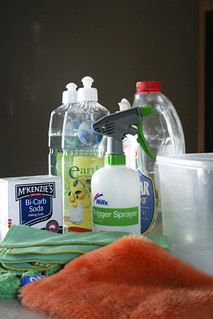
However, there are effective, safer alternatives to dangerous chemical-laced products. You can use organic, natural products and have a home that smells great, shines with cleanliness and is toxin-free.

Look for organic cleaners that are all-purpose cleaners so that you can use them in the kitchen and in the bathroom, too. If you have a baby or toddler at home and need to clean the toys or baby’s highchair, there are organic cleaners that are non-toxic, don’t have an odor and will get your child’s playthings clean.

Cleaning
Cleaning (Photo credit: go_greener_oz)
You can get concentrated, organic cleaning products that can clean your home from top to bottom. These cleaners aren’t toxic, so they’re safer to use and they are also biodegradable. Plus, these organic cleaners aren’t tested on lab animals, either. Cleaners using Birch bark extract and relaxing scents not only clean your home but give it a fresh, natural clean smell, too.

You can even make some of these safer cleaning solutions for your home yourself, but if you’re like most of us, time isn’t something you have a lot of and you need the convenience of purchasing organic cleaners. For example, it’s easier and less expensive to buy organic toothpaste to clean any tarnished silver than it is to make your own silver cleaner.

The same goes for dish cleaning soap, you can buy an organic, non-toxic foaming dish soap that’s concentrated so it lasts and it’s safe to use on any dish as well as baby items. To wipe down kitchen counters, you can use a glass and surface cleaner that’s biodegradable.

There’s no end to the amount of safe and eco-friendly products you can use to get your home clean. You won’t have to sacrifice quality or appeal in the form of scents, either. Organic cleaners are no longer a rarity. They’re now mainstream because more people have learned about the dangers of chemicals in cleaning products, and are taking steps to protect their family and environment from pollutants.

You can find lots of suggestions for natural and safe household cleaning products on our website at: http://www.newholisticliving.com/recommended-products-for-detox--green-living.html


Enhanced by Zemanta

Thursday, May 1, 2014

Beware of Dangerous Chemicals In Candies

If you can recall back to Halloween 2008, there was a big scare with candy coins.  The candy was tainted with melamine, a carcinogen and a toxic substance when ingested.  The media alerted parents around the world and the candy was recalled but not until after several children had become ill. 

English: An array of Nestle Munchies candies.
(Photo credit: Wikipedia)
Melamine is known to cause kidney and bladder complications, particularly when it is combined with other chemicals, and it has been associated with causing cancer.  According to the Centers for Disease Control, "Melamine is a synthetic chemical with a variety of industrial uses including the production of resins and foams, cleaning products, fertilizers and pesticides. It does not occur naturally in food."

Following the Melamine candy recalls, other candy manufacturers had to do the same thing including Cadbury, Nestle, and Mars as well as many other smaller candy manufacturers.  Couple that with the fact that many candy wrappers are made from materials which contain PFCs, suspected carcinogens, and parents would be wise to pay close attention to the candy their children are consuming.

In Addition to Melamine and PFCs

If those two chemicals aren’t enough to scare parents into monitoring children’s candy consumption, consider this:
Candies
Candies (Photo credit: Moyan_Brenn (back soon, sorry for not commenting))
Chewing gum often contains Propyl Gallate, Butylated hydroxyanisole (BHA), and butylated hydroxytoluene (BHT) food additives, which have been shown to cause cancer in laboratory studies.

You may think of sugar-free candy as being "healthier," but many sugar-free candies contain Aspartame (Equal, NutraSweet) and Acesulfame-K, which have been linked to brain tumors, thyroid cancer and leukemia in laboratory studies.

Finally, most candies contain some type of food coloring and Blue 1 and 2, Red 3 and Yellow 6 have all shown serious health side effects in laboratory studies.

Alternatives to Toxic Candy

Not all candy is toxic.  Look for organic candies, candy which doesn’t contain any of the food additives, colorings and preservatives listed above, or home-made candy. Making your own candy at home can be fun - and the kids can enjoy helping - and then eating the results!  In the meantime, know that many government officials are striving for safer standards, including measures to ban wrappers containing PFCs and stricter regulations on imported candy.

Additionally, if you have concerns you can visit the US Food and Drug Administration and the Department of Consumer Affairs to research candy recalls.

Enhanced by Zemanta

Tuesday, April 29, 2014

Avoid These Common Chemicals to Stay Healthy & Live Cleaner & Greener!

Living a green life might not be easy, but it can be very beneficial. Changing everything you use - from makeup to pesticides - can be a huge sacrifice, but it will pay off in the end. You will be healthier and help out the environment as well. Today you will learn about some of the unhealthy chemicals which you find in everything from your cosmetics to garden pesticides. Then we will show you some healthier alternatives to these products.

Cosmetics
Cosmetics (Photo credit: My Sight, as You See.)
When you look around your home at the products you have and use, you might not think there are too many harmful things there. But many of the common products we use every day contain ingredients which aren't good for us. Our soaps, deodorants, shampoo, conditioner, lotion, toothpaste, and even the cosmetics we use contain these potentially dangerous chemicals. Here's what you should look out for in them.

* Mineral oil (found in baby oil) - Mineral oil can clog your pores, prevent skin from breathing, and stop toxins from being eliminated from the skin. It can even steal vital vitamins and minerals from the body. In the worst case scenario, mineral oil has even been linked to diseases like pneumonia by weakening normal lung function.

* Sodium lauryl sulfate and sodium laureth sulfate - These are found in many soaps. They remove moisture from the skin, irritate the skin, and can cause hair loss. Sodium lauryl sulfate which is found in many shampoos, soaps, and even mouth wash is also the same ingredient that's used to degrease car engines! Sodium laureth sulfate is usually mixed with a chemical known as dioxane which is a known carcinogen.

* Propylene glycol - This can cause liver and kidney damage. If it's in mouthwash with more than 25% alcohol, then it can even lead to throat cancer.

* Isopropyl alcohol - This kills germs, but be careful and use it sparingly in a well-ventilated area. If not this can cause inhalation poisoning.

* Flower/floral water - These are found in many unnatural soaps and are used to scent them. They can lead to allergies. Read the ingredient labels and check for natural hydrosols; those are the kind of fragrances that are usually okay to use.

* Paraffin wax - This is found in some candles. Paraffin wax is a by-product of petroleum. When burned, this puts toxins into the air which are bad for the lungs.

* Dyes and pigments - Watch out for FD&C and D&C dyes as these can be carcinogenic.

* Diethanolamine (DEA) - This is another known carcinogen.

* Aluminum - This is found in deodorants. It may cause cancer, especially breast cancer. Aluminum is also bad for the brain and has been linked to brain disorders like Alzheimer's.

Even common household furniture, electronics, toys, and baby bottles can contain harmful chemicals. There can be toxic flame retardants in your electronics, plastic toys can contain phthalate plasticizers and lead, and baby bottles can contain BPA. 

Phthalate plasticizers are used to make plastic more bendy and are often added to many household items such as hairspray, cosmetics, and wood finishes. They may cause reproductive problems, but this so far has only been found in lab animal studies. This is a difficult product to avoid as it's added to so many different things.

BPA is used to strengthen polycarbonate plastics. It has been shown to cause developmental disorders and thyroid problems. Most baby bottles are being made to not contain BPA, but you do have to look for BPA-free products.

NATURAL LAUNDRY PRODUCTS
NATURAL LAUNDRY PRODUCTS (Photo credit: live w mcs)
And of course pesticides and bug sprays can be harmful - as most people now know. However, you can find natural alternatives to many of your beloved household items that you might find you like even better. There are so many natural alternatives to everything out there, including pesticides and bug sprays. Make sure you read the labels of whatever you purchase and do lots of research on the products and their ingredients. 

There are many websites where you can check the toxicity of your favorite products and see if there are better alternatives to switch to. Try the EWG (http://www.ewg.org/skindeep/) for everything you put on your skin. TheNaturalProductDirectory.com has categorized listings of makeup and skincare products, with safety ratings, customer reviews, detailed ingredient lists, and more.

HealthyStuff.org has a nice database for checking all sorts of household items including toys.

And of course, be sure to check out our website for a FREE report & home checklist with lots of helpful tips for avoiding/reducing chemicals throughout the home, and many alternative products that are safe to use instead! www.newholisticliving.com/toxic-load

You might not be able to remove all of the carcinogens in your life by switching to more natural products, but it's a start. You might find you really like these more natural products and you're spending less by not paying for the name, or they could require you to use less so the product will last longer. So go check those ingredient labels and see where you can alleviate some toxic health concerns in your day-to-day life - you, and the planet, will be healthier for it.

Enhanced by Zemanta

Thursday, April 3, 2014

How Can Foods Contribute to Cleansing & Detoxification?

Cleansing the body of toxins is a popular topic these days, and for good reason.  We do, in fact, live in an environment where our bodies are bombarded with toxic substances on a daily basis. 

Exercise, supplement programs, fasts, meditation, yoga, etc. are employed to varying degrees in order to bring cleansing to the body.  However, the important role that food plays in cleansing - simply what we eat - cannot be ignored. (For lots more articles on how important food is to your health, visit our main blog at www.newholisticliving.com/blog.html)

Americans have a tendency to want quick fixes to problems and symptoms.  We love our pills.  We can swallow a capsule or tablet and go on about our business with no lifestyle changes necessary.

Why isn't it okay to employ quick fixes?

http://a8599aqkmm53k1afx9qakmv0ab.hop.clickbank.net/?tid=BLOG
The problem with this approach is that it completely eliminates the connection between food and health that is so vital!

Pills may mask symptoms, but the underlying problem of a poor diet will not be addressed.  In other words, toxins are still building while the symptoms are being alleviated. What does this mean? It means that your long-term health is still being compromised. You may not have immediate symptoms, but eventually this continual build-up of toxins can (and in many cases will) lead to serious diseases such as cancer, diabetes, heart disease, Alzheimers, and more.

Sometimes, we look at food as our enemy - we think the less we eat, the healthier and thinner we will be.  But what you do eat is very important.   

"Let your food be your medicine and your medicine your food," said Hippocrates (from whom doctors get the "Hippocratic Oath").  (This is pretty much my favorite quote ever!!!)

Let's look briefly at some of the constituents in whole foods and their various cleansing benefits.

* Fiber

This is a big one.  Fiber is one of the primary ways to eliminate waste from the colon.  Without it, bowel movements lack bulk, and toxins can build up in the colon.  Fiber absorbs poisons and waste matter as it moves along the intestinal tract, picking it up, and moving it out.

High-fiber diets are also associated with a decreased risk of colon and rectal cancer, as well as heart disease.

* Vitamins and Minerals

Healthy, whole foods contain these vital nutrients.  These substances have more roles in the body's health than can be discussed here, but some particular vitamins, such as C and E, have specific antioxidant effects.

Iron builds the blood; other vitamins and minerals build bone and tissue; still others play an active role in cell regeneration.  Without vitamins and minerals, the body cannot repair and rebuild itself from a cleanse.

Healthy Berries are Good Food for Health
Healthy Berries are Good Food for Health (Photo credit: epSos.de)
* Antioxidants

Many foods contain these bodily scavengers that fight free radical damage in the body.

Green tea, berries, tomatoes, and many other foods have antioxidant properties.

Cranberries, for example, promote bladder and kidney health, which are important organs involved in bodily cleansing.

* Essential Fatty Acids (Omega 3's)

More and more, we are hearing about the importance of good fats in the diet.  It turns out that they are crucial, and, among other things, help support liver health.  The liver is a major cleansing organ. They also compose much of the matter that brain tissue is made of, so be sure to eat your healthy fats!

* Phytonutrients

These are simply the nutrients found in plant foods, and they tend to have anti-cancer and antioxidant benefits.

All in all, what you do choose to eat has a significant role in the cleansing of your body (as does what you avoid eating).  Refined sugar, white flour, and processed foods full of artificial preservatives, colors, and flavors will have the effect of building toxic waste in your tissues, so be sure to choose foods wisely.


For a good, natural food-based cleansing & detoxification program, check out The Total Wellness Cleanse.

http://a8599aqkmm53k1afx9qakmv0ab.hop.clickbank.net/?tid=BLOG

Enhanced by Zemanta

Thursday, January 16, 2014

How Second Hand Smoke Can Harm You

Most restaurants, stores, and even entire cities in the US have recently banned smoking in public buildings.  That’s because we now know that you can not only die from smoking cigarettes, but also from breathing in smoke in the air around you.  Second hand smoke, whether from the burning end of the cigarette, or from the smokers mouth, is very toxic and can be a serious hazard to your health.

Here are just a few of the many problems caused by second hand smoke.

its hard keeping this one on one hand and the ...
 (Photo credit: Wikipedia)
* Cigarette smoke contains over 60 chemicals that cause or may cause cancer. Thousands of non-smokers die of lung cancer from second hand smoke every year.
* Some of the toxic chemicals in cigarette smoke are: formaldehyde, benzene, vinyl chlorine, arsenic ammonia, and hydrogen cyanide.
* Second hand smoke causes heart disease in non-smokers.  These heart disease cases account for tens of thousands of deaths every year. 
* Many non-smokers visit the doctor every year for lung related problems caused by second hand smoke.  These problems range from coughing to a drop in lung functioning.  
* The incidence of breast cancer may be increased by exposure to second hand smoke.

While adults generally have the option or ability to leave an area where someone is smoking, children don’t always have that luxury.  They are also more susceptible to the damage caused by cigarette smoke.  In addition to the above problems here are some of the issues caused by second hand smoke that specifically affect children.

Under the care of second-hand smoke
Under the care of second-hand smoke (Photo credit: JorizDG)
* Second hand smoke causes over 150,000 lower respiratory infections every year, such as bronchitis and pneumonia, in children under the age of 18 months.
* Second hand smoke has been indicated as a cause of many SIDS deaths.
* Second hand smoke significantly increases the severity of asthma attacks in children. 
* Second hand smoke causes many children to develop ear infections.
* Pregnant women exposed to second hand smoke are more likely to have babies with below average birth weights. 

Smoking near your children can not only cause health problems now, it can impair them all the way through to adulthood.  While you should attempt to quit for the sake of your children; if you don’t quit, please smoke outside away from them. 

These are just some of the known problems associated with second hand smoke.  Cigarette companies have known that second hand smoke is dangerous for many years, but hid this information.  It’s disturbing to think what other consequences second hand smoke causes that we haven’t found yet.  Even the shortest amount of exposure to cigarette smoke can have dangerous consequences.

If you are a smoker, please quit or smoke outside in a private area.  If you know someone who smokes near you, convince them to quit or at least not smoke when they’re with you.
Enhanced by Zemanta

Tuesday, October 1, 2013

Leaky Gut Syndrome Explained

This week we've got a guest article by one of our favorite health and fitness experts. Yuri is all about natural health, smart fitness, and reducing your toxic load via whole, natural foods that help your body heal and detox naturally. If you've never heard of leaky gut syndrome, or you don't know what it is, you should definitely read this article. This syndrome can promote allergies and food intolerances, increase toxic load, create inflammation within the body, and put a burden on all your bodily systems - leading to many different diseases and ill health consequences.

Read on to find out more about leaky gut syndrome, and how you can avoid this dangerous condition.

Leaky Gut Syndrome Explained

Yuri Elkaim, BPHE, CK, RHN & Amy Coates, RHN, BSc.

What is Leaky Gut Syndrome?

English: The gastrointestinal tract, also call...
The gastrointestinal tract, also called the digestive tract, alimentary canal, or gut, is the system of organs within multicellular animals that takes in food, digests it to extract energy and nutrients, and expels the remaining waste. (Photo credit: Wikipedia)
Leaky gut syndrome is the technical name for increased intestinal permeability. As its name signifies, this condition is characterizes by a gut (intestinal tract) that allows far too many substances into the bloodstream.

Normally, the intestinal walls form a semi-permeable barrier, only allowing properly digesting nutrients into the bloodstream, while preventing the uptake of toxins and undigested food particles. Such nutrients are able to pass into the blood through pores located in the intestinal wall.

Under ideal circumstances, these pores are small enough to prevent undigested food particles and other large toxins from escaping the intestinal tract and causing damage in the bloodstream.

However, in the case of leaky gut syndrome, these pores widen, which allows anything and everything to pass through the (now very permeable) intestinal walls and into the blood.

This is a big problem and is one of the biggest factors behind food allergies and auto-immune diseases.

Why is Having a Leaky Gut Dangerous?

Our intestinal tract is obviously semi-permeable for a reason. If is meant to keep out certain substances then there's a reason for needing to do so.

One of the problems with leaky gut is that it allows undigested food particles into the blood. When this happens, the immune system builds up antibodies against the protein in that food and mounts a full-out immune response. The immune system is simply doing its job. If it identifies a "foreign" substance in the bloodstream, then it will take the necessary action to neutralize it.

Unfortunately, since the body has now developed an antibody army against this food, with time as you ingest this food your body will become "hypersensitive" to it. This is how food allergies develop. And the more this occurs with the foods you eat, the more hypersensitive your immune system becomes.

As a result, you become much more susceptible to environmental allergens since your body's immune system is now in overdrive and "paranoid" about everything little thing it is exposed to.

The time-course of an immune response begins w...
The time-course of an immune response begins with the initial pathogen encounter, and leads to the formation and maintenance of active immunological memory. (Photo credit: Wikipedia)
With time, a hypersensitive immune system can start reacting in a myriad of unpredictable ways. In many cases, it will actually begin to attack the body itself, creating an auto-immune disease such as alopecia, multiple sclerosis, celiac disease, Graves' disease, endometriosis, and many more.

A substantial proportion of the population suffers from immune diseases, which are often chronic, debilitating, and life-threatening. There are more than eighty illnesses caused by autoimmunity and about 75 percent of those affected are women. It has been estimated that autoimmune diseases are among the ten leading causes of death among women in all age groups up to 65 years.

However, go to your doctor, allergist, or immunologist and they will NEVER even mention the possibility of leaky gut syndrome.

According to "brilliant experts" at USA Today...

"Scientists believe multiple factors such as environmental toxins, heredity, viruses, and certain drugs may play a role in causing an autoimmune disease. Stress, poor diet, lack of exercise, lack of sleep, abuse of alcohol and use of tobacco can also weaken the immune system and may play some role as well."

That's great thanks. And they can say that about pretty much every single disease as well. The fact remains that many of these "causes" are also at the root of leaky gut syndrome.

What Causes Leaky Gut Syndrome?

Well, as was briefly mentioned above, the substances and choices that stress your body and digestive system will have a profound effect on the health of your colon and intestinal tract. Refined sugars, processed foods, alcohol, medications, and stress will negatively impact the colon.

All of these can worsen the balance between good and bad flora in your colon. If the bad are way out of control, then fungi, for instance, can latch onto the intestinal walls and create irritation, inflammation, and eventually widening of the pores.

If food sits in your colon for too long, it too will irritate the intestinal walls and predispose them to becoming more permeable. That is one of the reasons why passing regular bowel movements is so important.

Natural Leaky Gut Remedies

First, you need to cleanse your body of the foods and substances that irritate your digestive and intestinal tract. Second, you need to spend time healing your gut with nutrients such as L-glutamine, essential fatty acids, and vitamin C. Then you need to provide your intestinal tract with a balance of healthy bacteria through probiotics and enzymes, so that it can protect itself against future invaders and irritation.

So if you suffer from allergies, have an autoimmune disorder, have digestive difficulties, or want to improve your overall health then you need to take action immediately. The longer you wait, the worse your condition will get.

The first step is a full-scale natural cleanse which will reduce the toxins and inflammation in your digestive system. The Total Wellness Cleanse™ is a gentle and natural detoxification process that will help heal your gut and cleanse your body of its toxins. To learn more about how the Total Wellness Cleanse can help you just click the link below.

About the Author:
Yuri Elkaim is a renowned fitness, nutrition, and weight loss expert. He is a registered holistic nutritionist and the co-creator of the Total Wellness Cleanse - a 30-day food-based cleansing program that has helped thousands of people lose weight, cleanse their bodies of toxic overload, and restore incredible health. For information on the Total Wellness Cleanse visit www.TotalWellnessCleanse.com.

References:
Noel R. Rose and Ian R. MacKay, “The Autoimmune Diseases” fourth edition
http://www.healthscout.com/ency/68/487/main.html#CausesandRiskFactorsofAutoimmuneDiseasesandDisorders

Enhanced by Zemanta

Thursday, July 18, 2013

Avoiding Dangerous "Fragrances"

Have you ever had someone walk past you wearing perfume or some other fragrance and received an instant headache?  Scented candles, soaps and detergents and even shampoos all contain fragrances that can be harmful to your health, and many can accumulate in your body and increase your toxic load, leading to lowered immune function and future health problems.  Let’s explore some of the most dangerous fragrances, where they hide and how you can avoid them.

Why Avoid Chemical Fragrances?


Image via Flickr
Chemical fragrances contain just that, chemicals.  Here are a few statistics that may surprise you:

* Researchers have found that people who were regularly exposed to cleaning sprays were 30 to 50 percent more likely to develop asthma.

* The NRDC study showed that many air fresheners and scented products contain phthalates, which are hormone-disrupting chemicals that can be particularly dangerous for young children and unborn babies.  Exposure to phthalates can affect testosterone levels and lead to reproductive abnormalities, including abnormal genitalia and reduced sperm production.

* 95% of chemicals used in fragrances are synthetic compounds derived from petroleum. They include benzene derivatives, aldehydes and many other known toxics and sensitizers, which are all known to cause cancer, birth defects, central nervous system disorders and allergic reactions.

* A 1991 study performed by the EPA found numerous harmful chemicals are commonly used in fragrance products, including acetone, benzaldehyde, benzyl acetate, benzyl alcohol, camphor, ethanol, ethyl acetate, limonene, linalool, and methylene chloride.  Alone or in combination with each other, when inhaled these can cause central nervous system disorders, dizziness, nausea, slurred speech, drowsiness, irritation to the mouth, throat, eyes, skin, lungs and GI tract, kidney damage, headache, respiratory failure, ataxia, and fatigue, among other symptoms and illnesses. 

So How Can You Avoid These Chemicals?

There are many wonderful options to go chemical free and still have a good-smelling world around you.  Here are a few tips:

* Switch to natural cosmetics, hair-care and personal products.  Not only does this eliminate your exposure to harmful fragrances, it’s better for the environment.


Image via Flickr
* Skip the perfume and use natural oils.  Essential oils, and combinations of them, make wonderful natural perfumes and they won’t harm your health. 

* Buy non-toxic and biodegradable cleaning products.  They won’t use harmful fragrance chemicals, which protects your health and the environment.

* Get rid of your paraffin candles.  Use soy or beeswax candles so you aren’t throwing petroleum and chemicals into the air you're breathing. 

* Skip the commercial air fresheners.  Air fresheners typically work one of two ways; they neutralize your receptors, numbing them so you don’t smell anything, or they cover scents up with stronger scents.  Neither is ideal.  If needed, use an essential oil diffuser with natural oils to freshen the air in your home naturally. 

The fragrance industry, including cleaning products, isn’t heavily regulated.  Nor are the chemicals studied for their effects on our health and environment.  From mild symptoms like headaches and fatigue, to dire illnesses like cancer and autoimmune disorders, chemical fragrances aren’t doing you or your health any good.  Take good care of yourself and switch to scents that are more natural today.

To find natural cosmetics and personal care products, check out The Natural Product Directory. This site offers helpful reviews, as well as safety and other ratings that can help you choose natural products that work effectively.


Wednesday, April 24, 2013

Is Teflon Toxic?

In the old days of coal mining, miners would lower a caged canary down into the mine, wait a few minutes, then bring the cage up. If the canary was dead, the miners knew that toxic gases had filled the mine and it was unsafe for humans.

Canaries kept as home pets have been known to die from toxic gases released from heated Teflon/non-stick cookware. Could we conclude, like the miners, that air so polluted is not safe for humans? For that matter, what about the chemicals in Teflon - can they leach into food?

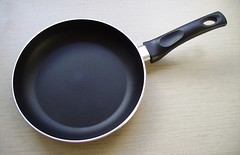
Frying pan
Teflon frying pan (Photo credit: JPC24M)
The most controversial chemical used in the making of Teflon is Perfluorooctanoic acid, or PFOA. While manufacturers of Teflon claim that the PFOA used in the manufacture of Teflon is not present in the finished product, and that it is safe if used at low temperatures, studies show that Teflon releases a host of toxic fumes at temperatures easily reached on a home stove, including PFOA and phosgene (COF2). (The latter is a chemical analog of nerve gas used in WWII.)

There is usually an "if" to claims that non-stick cookware is safe: Teflon is safe if it is not damaged, if it is not heated to too high a temperature, and if the cookware is not heated when dry or empty.

According to the United States Environmental Protection Agency (epa.gov), PFOA is persistent in the environment and in the human body - in other words, it does not break down (meaning it stays a part of your overall toxic load).

Potentially carcinogenic, PFOA is implicated in cancer, particularly breast cancer, and can cause birth defects in laboratory animals. Known variously as "polymer fever," "Teflon flu," or "Teflon toxicosis," a flu-like condition can result from the inhalation of fumes released from heated Teflon. Such risks are even greater if the non-stick surface of the cookware is scratched or otherwise damaged.

So What Are Some Safer Alternatives?

-Stainless steel
A combination of various metals, including nickel and chromium, stainless steel is generally considered safe as long as it is not pitted, dented, or otherwise damaged. If it is damaged, its various metallic components can leach into foods. 

English: A cast-iron pan.
A cast-iron skillet. (Photo credit: Wikipedia)
-Cast iron
When properly seasoned, cast iron is safe and can actually enhance health. The iron that leaches into the food is usually a healthy additive. Your family will probably not need to take iron supplements if you use cast iron cookware! (Note: Cast iron must be properly maintained - see our post here on taking care of your cast iron cookware.)

-Aluminum
Aluminum cookware has inconclusively been implicated in Alzheimer's disease. What is known about aluminum is that high-acid foods leach a significant amount of the metal into the food, and scratched or damaged aluminum cookware leaches more. Use with caution.

-Anodized aluminum
This is a form of aluminum that has been specially treated with acid to create a harder version that does not leach into foods. Anodized aluminum seems to be quite safe, and is generally affordable.

-Ceramic/Enamelware
Enamelware delivers the even heating of cast iron without concern with proper seasoning. Enamelware is iron cookware that has been coated with enamel (a kind of glass).

-Copper
Large amounts of copper can leach into foods, but copperware lined with stainless steel or tin is a safer alternative.

With a little research, it is not too difficult to find a safe cookware that will fit your family's needs and budget. Even if you're still on the fence about whether Teflon is all that unsafe, why take the risk, when there are plenty of other safer options out there?


Enhanced by Zemanta

Monday, April 22, 2013

Health Considerations: Non-Toxic Versus Standard Paints

While most standard paint no longer contains toxic lead, it is still undesirable to many.  That being said, non-toxic paint has a few drawbacks too.  Let’s take a look at the two side by side so you can make an educated decision for yourself.

Paint, once it’s on your walls, furniture and floors, releases gases for years.  These low-level emissions contain toxins called VOCs or volatile organic compounds.  Non-Toxic paint does not emit these toxins and is thus preferred by many, particularly those who are chemically sensitive or may suffer from chronic illness.

English: Cameron, LA, January 11, 2006 - The E...
(Photo credit: Wikipedia)
The benefits of non-toxic paint include:
  • Health benefits including a reduction in toxins released into your home. 
  • Environmental benefits because these toxins are not contaminating our soil, water supply or depleting the ozone. 
  • You don’t have to call the hazardous waste folks to come pick up your leftover paint.
  • Generally considered to be durable and effective.  In comparison to standard paint, non-toxic paint generally covers well, is easy to clean and is durable. 
The drawbacks of non-toxic paint include:
  • Non-toxic paint can be difficult to find. While it’s becoming more and more popular, it’s not carried by all paint stores.
  • Non-toxic paint can be difficult to match.  Non-toxic paint just doesn’t come in the same variety of colors that standard paint offers.
  • Non-toxic paint is also more expensive than standard paint.  In fact, if you’re employing someone to paint your home with non-toxic paint you can expect to pay up to 25% more.
  • Non-toxic paint isn’t regulated and some manufacturers are misleading about the ingredients in their paint.  Buy from trusted retailers who carry familiar and trusted paint brands.
English: Sample of cadmium orange hue paint. I...
Sample of cadmium orange hue paint.  (Photo credit: Wikipedia)
Tips for Buying Non-Toxic Paint
  • Understand the difference between paint options. In addition to standard paint you can buy natural paints made from water, plant oils, clay, and chalk.  This type of paint offers the safest and healthiest option but can be extremely difficult to find.
  • Zero VOC Paint isn’t really zero VOC but contains 5 grams or less of VOC per liter.  Low VOC Paint offers anywhere from 250 grams per liter to 6 grams per liter.  If choosing this option look for 50 grams per liter or less.
  • When buying non-toxic paint be sure to read the ingredients carefully.  The ingredient list should contain only natural, non-hazardous items like plant dyes, essential oils, milk protein, clay and resin.
  • Look for natural pigments.  Standard color tints are what increase the paint’s emissions or VOC content. Purchase premixed colors or add natural pigments even though they’ll limit your color choice. 
Non-toxic paint is better than standard paint for reducing chemical emissions, and if you have any type of chemical sensitivities then it’s a good idea.  It’s better for your health and for the environment. 


Enhanced by Zemanta

Wednesday, January 2, 2013

Try These Tips & Superfoods During Your Detox

Today we're talking about a topic that may be uncomfortable for some - literally! But this time of year, after lots of heavy and rich foods, some of us may suffer from this common problem - and it's worse for your health than you might think. When things get backed up, so to speak, your body is not able to eliminate toxins and other waste, and they can actually get absorbed back into your bloodstream - yuck! No one wants that....

Brussels Sprouts
Brussels Sprouts (Photo credit: Wikipedia)
But it's no wonder so many Americans suffer with constipation (4 million of us, to be exact). Our diet of meat and processed food contains little fiber. Most of us are lucky if we’re getting in half of the 30 grams of fiber that we should each day. Without that bulk in our diet, it can make bowel movements practically immovable. Here are some tips for "cleaning the pipes," without which, any other detoxification efforts will be in vain.

1. Eat plenty of fiber - namely, vegetables. The human digestive tract was designed for mostly consuming unprocessed plant foods that are loaded with dietary fiber, such as beans, leafy greens, fresh and dried fruits, vegetables and whole grains. High levels of dietary fiber increase both the frequency and quantity of bowel movements, decreasing the transit time of stools, as well as the absorption of toxins from the stool.

2. Drink at least eight to twelve 8-oz. glasses of clean water per day. Hard, dry stools are a classic sign of dehydration. A good rule of thumb is to drink a glass of water when you wake up and then every hour after that.

3. Try adding some wheat or barley grass to your daily routine. Mix two to three teaspoons of a nutrient-rich blend of dehydrated wheat and/or barley grass in water, and have another serving later in the day. These drinks have a restorative action on the intestinal tract and are especially good for constipation, and they also contain many phytonutrients and antioxidants which will support your system during your detox.

Fruits of Prunus domestica
Prune plums on the tree (Photo credit: Wikipedia)
4. Add prunes. As a supplement to a healthy, high-fiber diet, bran and prunes are particularly effective in relieving constipation. Whole prunes and prune juice possess good laxative effects - and most people find them quite tasty! Eight ounces is usually an effective dose. A similar amount of aloe vera juice is also helpful. Or eat 6-10 dried prunes.

5. Consume superfoods containing vitamin C. Vitamin C rich foods can help with your detox as well, as they help with food and nutrient absorption. Try parsley, broccoli, bell pepper, strawberries, oranges, lemon juice, papaya, cauliflower, kale, mustard greens, and Brussels sprouts, as they’re all great sources of vitamin C.

Following these tips will help get things moving smoothly, so that your body can eliminate the toxins that are released during your detox and cleanse diet, and restore optimal health.
Enhanced by Zemanta

Monday, December 3, 2012

5 Safer Alternatives to Dangerous Lunchboxes

Are lunchboxes dangerous? And we're not talking about what's in them, although sometimes that can be scary enough! But we're going to assume that you lovingly pack your child’s lunch for school-filling that adorable Hello Kitty or Snoopy lunchbox with healthy items, tasty treats and enough nutrition to get them through the day.  Unfortunately, that adorable lunch box may be poisoning them and actually hindering their learning experience – the exact opposite of what you’re trying to accomplish.  Here are a few safe lunchbox alternatives, lead free and still completely adorable.

Lunch boxes
Lunch boxes (Photo credit: Wikipedia)
What makes some lunchboxes dangerous?

In short, recent studies have shown that a large percentage of lunchboxes leach lead.  This means your child may be eating their sandwich you lovingly made that morning and consuming dangerous levels of lead with their PB&J.  The culprits are usually vinyl lunchboxes made by major lunchbox manufacturers and sold at standard retail outlets.  Lead causes behavioral and learning problems and prolonged exposure can lead to cancer and death.  However, this article isn’t designed to scare you, rather to empower you to protect your beautiful children and keep them safe.

5 Safe Alternatives to Dangerous Lunchboxes

1. Reusable bags.  Many manufacturers are making really nice reusable bags designed specifically to carry lunches and smaller items.  Children can find them in their favorite colors and designs and spills are easily cleaned up by tossing them in the washing machine.

2. Recycled plastic.  Several businesses have popped up which produce lunch totes and containers made from recycled plastic bottles.  Not only are you providing your child a safe alternative, you’re being environmentally conscious – something many children are aware of and will be proud to be using an environmentally friendly lunch box.

3. Stainless steel.  Many children are image conscious or prefer to have notable characters on their lunchboxes.  Be it Spiderman, Dora the Explorer or Hello Kitty, they want the image on their lunchbox.  Stainless steel lunchboxes, think the old-fashioned flip top boxes you carried when you were young, are lead and PVC free. 

Two types of small paper bags
Small paper bags (Photo credit: Wikipedia)
4. Brown Bag it.  Paper bags are a great way to send your child to school with a personal message written or decorated on the outside.  And for the environmentally conscious, paper bags can be reused many times and you can purchase recycled paper bags or recycle them yourself.  Additionally, those plastic bags collecting in your cupboard from the local market can be reused as lunch bags several times over – they’re not pretty but it’s good to use them and give them a purpose.

5. Make your own.  A trip to the fabric store with your child where you can pick up the supplies can be a fun adventure with your child.  They can help you choose the items and even help make their lunchbox they're carrying with them something they’re proud of each and every day. 

There are many safe lunchbox alternatives.  Talk with your child to find a solution that keeps them safe and makes them happy. 

Enhanced by Zemanta

Monday, October 29, 2012

Does Detoxing Help You Lose Weight?

If you want to lose weight you might be considering a detox plan. Although usually the main goal of a cleansing/detoxing program is to remove toxins from the body and restore healthy function, in recent years, many celebrities have touted detox plans as a quick weight loss strategy, and many people have found great success detoxing for weight loss. However, there are some facts to consider before using a detox program to lose weight.

Diet and Nutrition
(Photo credit: fantasyhealthball)
How Does Detoxing Help you Lose Weight?

Most detox diets require significant dietary restrictions. In fact, the Lemonade Diet or Master Cleanse diet limits you to drinking a lemon, maple syrup, water and cayenne pepper concoction throughout the day. You don't eat anything. When you reduce your caloric intake like this your body begins to burn its fat stores. The result is that you lose a lot of weight quickly.

However, there are repercussions to this type of weight loss. You regain the weight as soon as you begin to eat normally again. Studies have also shown that dieting like this can slow down your metabolism.

There is good news, though. Not all detox plans have these same harsh side effects. Some detox diets and plans - such as the Total Wellness Cleanse - can help you lose weight naturally and gradually. Detoxing helps purge the toxins from your fat cells. This process can help you lose weight faster once you start a diet and exercise program. A detox diet doesn't have to mean starvation. And you can also detox (or enhance your detox diet efforts) with tea, massage, saunas and detox baths. Purging the toxins from your body can help you get a clean slate before you begin a diet and fitness program.

Additional Dieting and Detox Benefits

Detoxing can also help you lose weight in a number of other surprising ways. One important example is the renewed energy that you’ll likely have once you’ve completed your detox program. Most people who have detoxified state that they have more energy and more mental clarity when they finish. This energy will help you get and stay motivated to stick to your diet and exercise program.

You may also sleep better. Studies have shown that quality sleep helps boost weight loss. It also helps you keep the weight off once you’ve lost it. Finally, when you have completed a detox program you’re going to feel healthier. You will have eliminated sugary foods and processed foods from your diet. This process essentially reprograms your taste buds and your metabolism. You won’t have the same cravings or desire for junk food. This helps you stick to your diet program and lose weight.

When detoxing for weight loss keep your long term goals in mind. Starvation detox programs don’t always offer the best solution. However, there are quality detox plans and programs that help you get healthy and lose weight naturally. Find the plan that is right for you.

We do review various detoxification and cleansing programs here on this blog, but so far our favorite has been the Total Wellness Cleanse - a gentle method that has you eat lots of whole, fresh natural foods, to help support your body's own natural detoxification systems without starving you or subjecting you to all kinds of crazy supplements and pills that may actually be hard on the body.
Enhanced by Zemanta

Wednesday, September 26, 2012

The Importance Of Water For A Healthy & Non-Toxic Body

The human body can last weeks without food, but only days without water. The body is made up of approximately 55 to75 per cent water. Water forms the basis of blood, digestive juices, urine and perspiration and is contained in lean muscle, fat and bones.

English: U.S. Army Sergeant Kornelia Rachwal g...
 (Photo credit: Wikipedia)
As the body can’t store water, we need fresh supplies every day to make up for losses from lungs, skin, urine and feces. Water is needed to maintain the health and integrity of every cell in the body, keep the bloodstream liquid enough to flow through blood vessels, help eliminate the by products of the body’s metabolism, helps to flush out toxins, regulate body temperature through sweating, lubricate and cushion joints and carry nutrients and oxygen to the body’s cells, just to name a few. Drinking refreshing, clean water plays a major role in reducing the risk of certain diseases.

The loss of body water through urination is greatly increased by the ingestion of caffeinated and alcoholic beverages. These drinks have a diuretic effect, meaning they stimulate the kidneys to excrete more urine. Not only do we lose water, we also lose water-soluble vitamins, such as vitamin C, vitamin B (thiamine) and other B complex vitamins. Some people think that drinking a Coke counts as water, but the truth is, for every caffeinated or alcoholic beverage you drink, you need to add an additional glass of pure water to your daily intake.

A diet containing lots of fruits and vegetables will supply about 4 cups of water per day. But even with a diet high in fruits and vegetables, it is still necessary to drink at least an additional 4 to 6 cups of water per day to supply enough water to meet the body’s daily needs (depending on daily activity levels and temperature).
English: Fingerprints on a glass of water made...
 (Photo credit: Wikipedia)
Dehydration occurs when the water content of the body is too low. This is easily fixed by increasing fluid intake. Symptoms of dehydration include headaches, lethargy, mood changes and slow responses, dry nasal passages, dry or cracked lips, dark-colored urine, weakness, tiredness, confusion and hallucinations. Eventually urination stops, the kidneys fail and the body can’t remove toxic waste products. In extreme cases, this may result in death.

Approximately six to eight glasses of a variety of fluids can be consumed each day. More than eight glasses may be needed for physically active people, children, people in hot or humid environments, and breastfeeding women. Less water may be needed for sedentary people, older people, people in a cold environment or people who eat a lot of high water content foods. But either way, we can't get by without water, and there is no substitute!
Enhanced by Zemanta