Showing posts with label common household toxins. Show all posts

Tuesday, April 29, 2014

Avoid These Common Chemicals to Stay Healthy & Live Cleaner & Greener!

Living a green life might not be easy, but it can be very beneficial. Changing everything you use - from makeup to pesticides - can be a huge sacrifice, but it will pay off in the end. You will be healthier and help out the environment as well. Today you will learn about some of the unhealthy chemicals which you find in everything from your cosmetics to garden pesticides. Then we will show you some healthier alternatives to these products.

Cosmetics
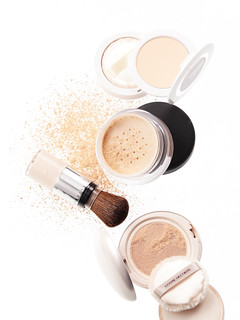
Cosmetics (Photo credit: My Sight, as You See.)
When you look around your home at the products you have and use, you might not think there are too many harmful things there. But many of the common products we use every day contain ingredients which aren't good for us. Our soaps, deodorants, shampoo, conditioner, lotion, toothpaste, and even the cosmetics we use contain these potentially dangerous chemicals. Here's what you should look out for in them.

* Mineral oil (found in baby oil) - Mineral oil can clog your pores, prevent skin from breathing, and stop toxins from being eliminated from the skin. It can even steal vital vitamins and minerals from the body. In the worst case scenario, mineral oil has even been linked to diseases like pneumonia by weakening normal lung function.

* Sodium lauryl sulfate and sodium laureth sulfate - These are found in many soaps. They remove moisture from the skin, irritate the skin, and can cause hair loss. Sodium lauryl sulfate which is found in many shampoos, soaps, and even mouth wash is also the same ingredient that's used to degrease car engines! Sodium laureth sulfate is usually mixed with a chemical known as dioxane which is a known carcinogen.

* Propylene glycol - This can cause liver and kidney damage. If it's in mouthwash with more than 25% alcohol, then it can even lead to throat cancer.

* Isopropyl alcohol - This kills germs, but be careful and use it sparingly in a well-ventilated area. If not this can cause inhalation poisoning.

* Flower/floral water - These are found in many unnatural soaps and are used to scent them. They can lead to allergies. Read the ingredient labels and check for natural hydrosols; those are the kind of fragrances that are usually okay to use.

* Paraffin wax - This is found in some candles. Paraffin wax is a by-product of petroleum. When burned, this puts toxins into the air which are bad for the lungs.

* Dyes and pigments - Watch out for FD&C and D&C dyes as these can be carcinogenic.

* Diethanolamine (DEA) - This is another known carcinogen.

* Aluminum - This is found in deodorants. It may cause cancer, especially breast cancer. Aluminum is also bad for the brain and has been linked to brain disorders like Alzheimer's.

Even common household furniture, electronics, toys, and baby bottles can contain harmful chemicals. There can be toxic flame retardants in your electronics, plastic toys can contain phthalate plasticizers and lead, and baby bottles can contain BPA. 

Phthalate plasticizers are used to make plastic more bendy and are often added to many household items such as hairspray, cosmetics, and wood finishes. They may cause reproductive problems, but this so far has only been found in lab animal studies. This is a difficult product to avoid as it's added to so many different things.

BPA is used to strengthen polycarbonate plastics. It has been shown to cause developmental disorders and thyroid problems. Most baby bottles are being made to not contain BPA, but you do have to look for BPA-free products.

NATURAL LAUNDRY PRODUCTS
NATURAL LAUNDRY PRODUCTS (Photo credit: live w mcs)
And of course pesticides and bug sprays can be harmful - as most people now know. However, you can find natural alternatives to many of your beloved household items that you might find you like even better. There are so many natural alternatives to everything out there, including pesticides and bug sprays. Make sure you read the labels of whatever you purchase and do lots of research on the products and their ingredients. 

There are many websites where you can check the toxicity of your favorite products and see if there are better alternatives to switch to. Try the EWG (http://www.ewg.org/skindeep/) for everything you put on your skin. TheNaturalProductDirectory.com has categorized listings of makeup and skincare products, with safety ratings, customer reviews, detailed ingredient lists, and more.

HealthyStuff.org has a nice database for checking all sorts of household items including toys.

And of course, be sure to check out our website for a FREE report & home checklist with lots of helpful tips for avoiding/reducing chemicals throughout the home, and many alternative products that are safe to use instead! www.newholisticliving.com/toxic-load

You might not be able to remove all of the carcinogens in your life by switching to more natural products, but it's a start. You might find you really like these more natural products and you're spending less by not paying for the name, or they could require you to use less so the product will last longer. So go check those ingredient labels and see where you can alleviate some toxic health concerns in your day-to-day life - you, and the planet, will be healthier for it.

Enhanced by Zemanta

Wednesday, August 22, 2012

Is Dyeing Your Hair Dangerous?

Whether we go gray earlier than we’d like or we’re just not happy with the color nature gave us, or perhaps we just like to be a bit different, hair dye has become a staple in households around the world. Unfortunately, hair dyeing can be an unhealthy and dangerous process. Let’s take a look at what’s in hair dye, the dangers it poses and how you can avoid the risks of diseases like cancer.

Hair coloring
 (Photo credit: Wikipedia)
The Dangers of Hair Dye

#1)  The Cancer Prevention Coalition has published a list called the Dirty Dozen.  It lists the most harmful consumer products and guess what...hair dye is on that list.  It contains carcinogenic ingredients including:
* Quaternium-15
* Diethanolamine
* Phenylenediamines

#2)  Additionally, and more specifically, hair dye has been linked to:
* Non-Hodgkin's lymphoma
* Multiple myeloma
* Leukemia
* Breast cancer
* Ovarian cancer
* Bladder cancer
* Birth defects and childhood cancer, when the mother dyed her hair while pregnant

#3)  The dye para-phenylenediamine (PPED), present in almost all permanent and semi-permanent hair coloring products, has been linked to breast cancer once it has been oxidized with hydrogen peroxide (a common ingredient/process in hair coloring).

#4)  Alkylphenol ethoxylates (APE's) are found in many hair dyes and they are suspected hormone disruptors. 

#5)  Severe allergic reactions can occur even if you’ve colored your hair for years. These reactions include but are not limited to the following possible symptoms:

* Rash
* Extreme swelling
* Severe burning sensation on the scalp
* Breathing difficulties
* Anaphylactic shock
* Occasionally, death can be the result of a severe allergic reaction

Henna Paste
Henna Paste (Photo credit: Henna Bee)
Is There a Safe Alternative?

Yes, as a matter of fact there is. Hair dyes can be made from vegetable-based products.  They work quite well to produce a full, thick and shiny head of hair in the color of your choice. The downside is that the effects are usually short-lived, lasting only a couple of weeks.

Henna is also an option for many; however, Henna also leaves a red tint, regardless of the intended color, and may not be for everyone.

What You Can Do

Many believe the beauty industry needs to be better regulated by the FDA.  It probably doesn’t make sense if the same chemicals and petroleum products that are restricted in a manufacturing environment are allowed to be put into products that are applied to human skin.  Get involved in legislation to change policies and practices.

Additionally, you can educate yourself and others about the dangers of hair dyes and safe alternatives.  There’s a growing demand for natural salons and spas.  Find one in your community and frequent it.  You can also find safe and natural alternatives at your local health food store or make your own hair dye.  Beauty is important; it’s a part of our culture.  However, it’s not worth risking our health for.

Enhanced by Zemanta

Monday, August 20, 2012

Avoid These Cancer-Causing Products In Your Home

You’d like to believe your home is the safest place on earth however, there are many chemicals and gasses which are emitted from regular every day products that have been linked to various types of cancer.  Below is a list of 7 potential cancer causers in your home - and some suggestions for avoiding or eliminating them. (For more helpful tips, grab a copy of our FREE Toxic Load Checklist for ideas on making your home cleaner and greener!)

air fresheners
Air fresheners (Photo credit: coreythrace)
#1)  Air fresheners and deodorizers.  Our homes can harbor many unpleasant smells.  Whether it’s the stinky gym shoes, the kitty litter box or the bathroom, we often get rid of those smells with air fresheners. However, fresheners often contain naphthalene and formaldehyde, two very toxic and cancer causing agents. (I call them "air poisoners," as that's really what they are.)  There are many wonderful natural fresheners available, or try essential oils, or simply open the windows.

#2)  Radon.  Radon kills about 20,000 people a year. It’s a primary cause of lung cancer and unfortunately it’s an odorless, tasteless and invisible.  Radon is produced by the decay of naturally occurring uranium in soil and water.  Which means it can easily seep into your home through cracks in your foundation and drains.  You can purchase tests at your local home store to test for radon or hire a professional to come out and make sure your home is radon free.

#3)  Adhesives and paints.  Epoxies, rubber cement, glues, acrylic paints, carpet adhesives, paint cleaning solvents markers and other art supplies often contain carcinogens.  The good news is there are many environmentally friendly options available today (grab a copy of our free home checklist for more on this). 

Dry Cleaning Machine
Dry Cleaning Machine (Photo credit: AndyRobertsPhotos)
#4) Dry cleaned clothing.  Dry cleaning stores use a often use perchlorethylene, a known carcinogen, to clean clothes. If you cannot find an eco-friendly dry cleaner in your area, remove the plastic from the clothing and let them air out in a well-ventilated area (preferably outside your home) before placing in your closet.

#5)  Pesticides.  Products like those flea and tick collars and even lice control products often use lindane-based pesticides to keep these creatures away.  Lindane is a neurotoxin and a carcinogen – keep it out of your home and away from your pets and family.

#6) Asbestos.  While asbestos is no longer used in home building products and insulation, if you have a home built before 1980 you may want to check to make sure you do not have it in your home.  The inhalation of asbestos fibers can cause lung cancer.

#7) Candles.  Candles made from petroleum, as many scented candles are, release chemicals into the air.  Many of these chemicals are known carcinogens including formaldehyde, toluene and benzene.  A healthier, non-cancer-causing, candle base would be beeswax or soy, which both burn fairly clean.

Cancer causing agents are all around us, however, due to increasing awareness of these chemicals healthier options are available.  Take care to fill your home with safe, natural and environmentally conscious products. Your family, your body and your planet will thank you!

Be sure to visit our website for more tips on reducing your home's toxic load, and choosing safer and healthier alternatives: http://www.newholisticliving.com/toxicload.html
Enhanced by Zemanta

Monday, November 28, 2011

Are You A Guinea Pig?

Check out this short video which lists many of the major toxic chemicals that can be commonly found in household products. It's no laughing matter, to be sure. We encourage you to take action today, and for to download a FREE helpful checklist of common household items that can contain these chemicals, as well as some safer alternatives, just go to http://www.newholisticliving.com/toxicload.html.


Click Here to Get your Free Checklist For Reducing Toxins In Your Home Today